

Navigating Through the Vibrant Landscape of Inclusion in Artistic Expressions
Once upon a time, in a world of whitewashed canvases and monotonous media, the idea of diversity was considered more of a novelty than a necessity. Thankfully, those dark ages of art and media are behind us. Today, we celebrate the explosion of color, voice, and representation that has turned those vanilla canvases into kaleidoscopic masterpieces. Buckle up, buttercup!

We’re about to plunge into the captivating world of diversity in art and media.
The beauty of diversity in art and media isn’t just about the aesthetic pleasure of seeing different shades of skin on our screens or various cultural symbols on our canvases. It’s much more than a rainbow-colored group selfie for Instagram’s sake. It’s about giving voice to the voiceless, allowing individuals from all walks of life to see themselves reflected in the art they consume and the media they interact with. It’s about smashing the single-story narratives, debunking stereotypes, and celebrating the richness of human experience in all its forms.
One cannot deny the transformative power of art. It can be an impetus for change, and as we’ve seen over the years, it can influence public opinion and shape societal attitudes. Think of your favorite movie, painting, or song, and imagine how different it would be without the vibrant diversity of cultures, ideas, and identities that contributed to its creation. Quite a snoozefest, isn’t it?
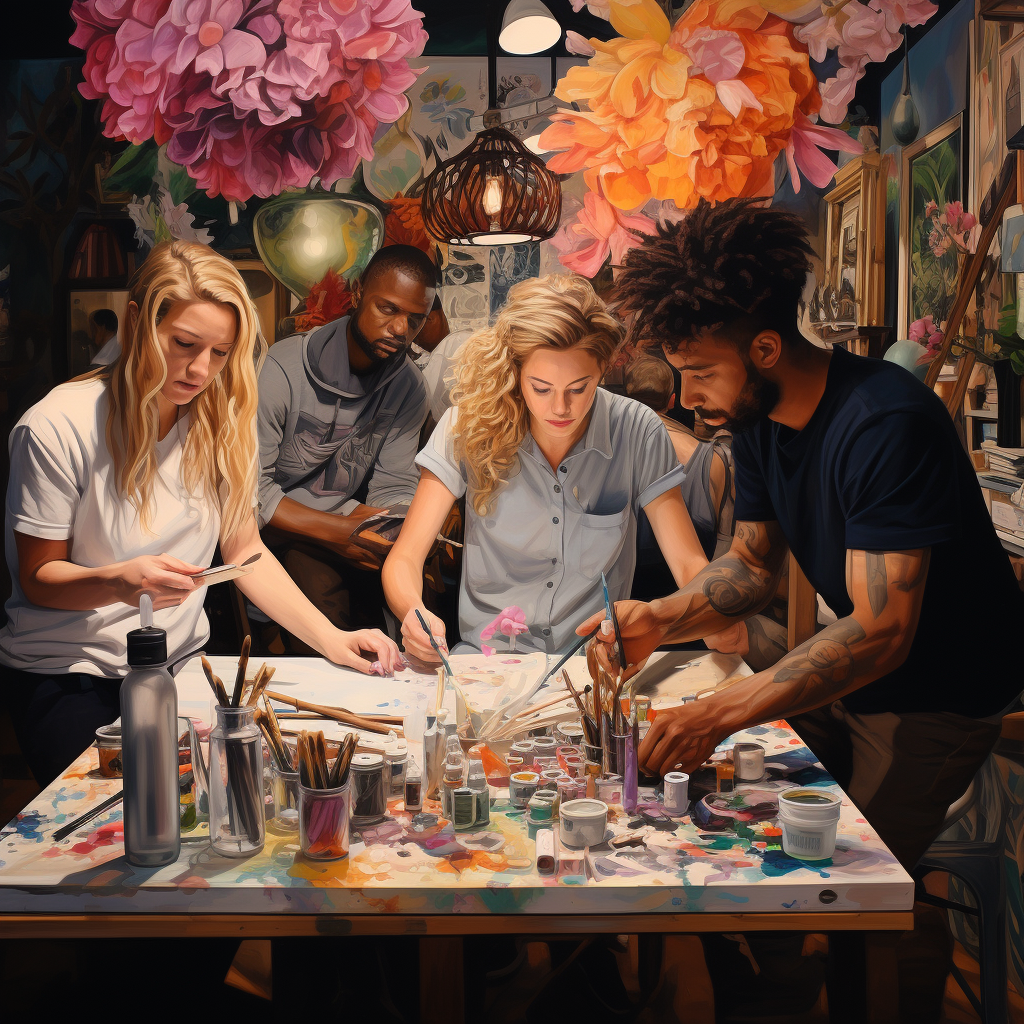
In the art world, more artists of various ethnic backgrounds, gender identities, and abilities are emerging, showcasing their experiences and perspectives through their work. Artists like Yinka Shonibare, with his Afro-centric themes, and Frida Kahlo, with her unapologetic exploration of femininity and identity, continue to challenge the norms and inspire a new generation of artists.
Media, too, is slowly catching up, with the increasing representation of diversity in TV shows, movies, and even in the world of fashion. Who can forget the iconic moment when Halle Berry became the first African American woman to win the Best Actress Oscar? Or when ‘Parasite’ made history by being the first non-English language film to snag the Best Picture Oscar?
But let’s not put on our rose-colored glasses just yet. There’s still a long road to accurate representation, and the journey to diversity is more of a marathon than a sprint. Stereotypes persist, harmful tropes still exist, and opportunities for marginalized communities remain limited.
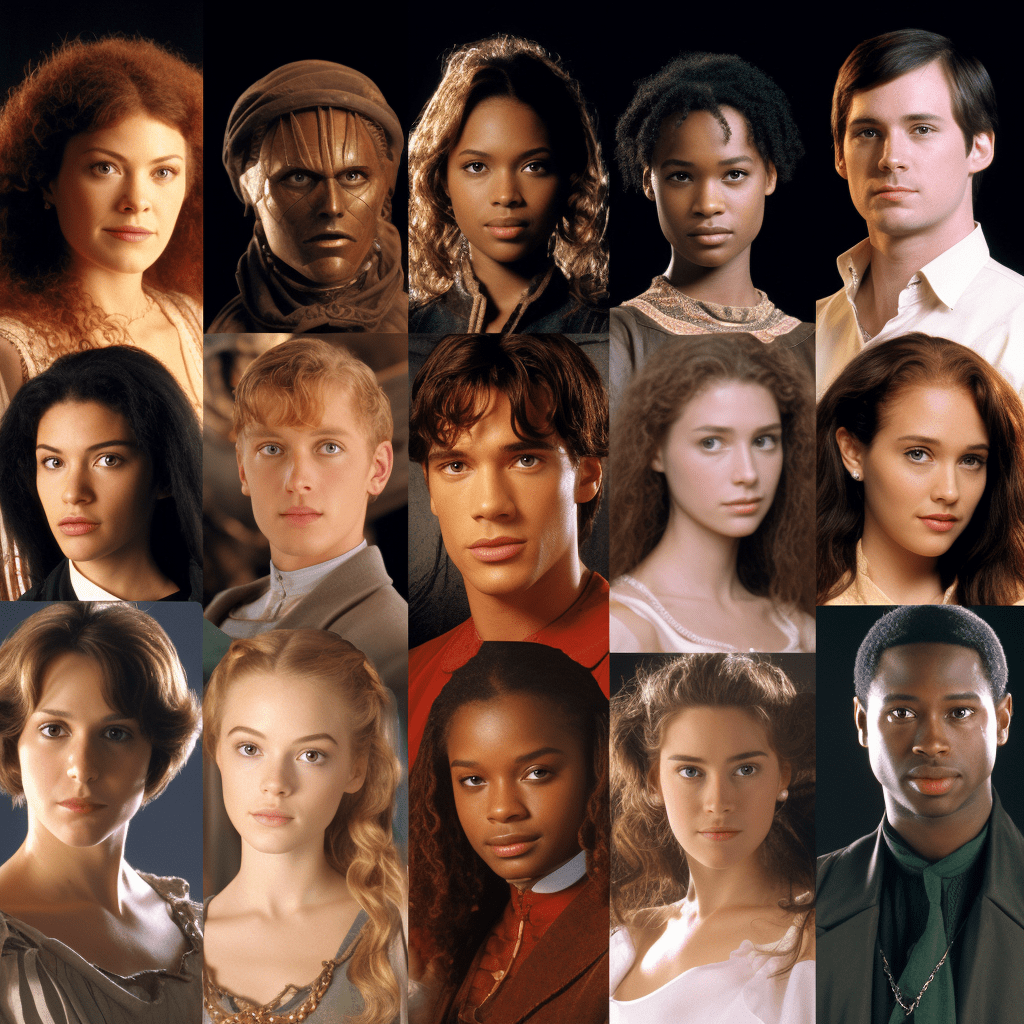
Yet, every stride towards diversity, every splash of a different hue on the canvas, and every unique story told is a step in the right direction. As consumers, creators, and enthusiasts, we have the power to champion diversity in art and media. Let’s continue to celebrate the myriad of voices, cultures, and perspectives that add depth, richness, and beauty to our artistic landscape.
So, next time you pick up a paintbrush, script a storyline, or even choose a movie to watch, remember to appreciate and advocate for diversity. After all, a palette with just one color is no fun, is it?
Now, let’s dive deeper. Inclusivity in art isn’t just about showcasing a diverse group of artists; it’s also about the narratives the art tells. For so long, the narratives have been singular, originating from a particular perspective that doesn’t represent the full gamut of human experiences. With the rise of diversity in art and media, we are breaking free from this mold, embracing a wider array of stories that enrich our understanding of the world.

This trend is playing out everywhere you look. In the film industry, movies like ‘Black Panther’ and ‘Crazy Rich Asians not only smashed box office records but challenged the long-held belief that stories led by non-white characters can’t be universally relatable. These films proved the appetite for diverse storytelling is more voracious than ever, and audiences want more.
In the visual art world, we’re seeing more exhibitions dedicated to artists from marginalized communities. These artists use their work as a powerful tool to comment on societal norms, challenge stereotypes, and offer fresh perspectives. Whether it’s street art exploring social injustices, paintings celebrating LGBTQ+ lives, or sculptures highlighting environmental issues, the impact is undeniable and exciting.
The world of literature isn’t untouched by this wave either. More and more, we see authors from a wide array of backgrounds taking center stage and giving voice to characters traditionally underrepresented in mainstream literature. These narratives break the monotony, offering readers a window into the varied dimensions of human existence.

While we’ve made significant strides, there’s still a long way to go. Diversity in art and media isn’t a box to be ticked; it’s a continuous, evolving process. As consumers, we have a crucial role in this evolution. By supporting diverse art and media, we not only contribute to a more inclusive world but also enrich our own experiences by exposing ourselves to a plethora of perspectives.
So, next time you pick up a book, select a movie, or visit an art gallery, ask yourself: “Does this reflect the world’s diversity?” If not, maybe it’s time to switch things up. After all, art, in its truest form, should be a mirror held up to society – in all its vibrant, diverse glory. Now, wouldn’t that be a sight to behold?
Doesn’t that beat the same old, same old? I thought so. Now, if you’ll excuse me, I have some wonderfully diverse art to appreciate. How about you?

And there you have it folks, our glorious tour through the vibrant and diverse world of art and media. In the words of the wise, ‘Variety is the spice of life,’ this applies more than ever in our cultural expressions. Diversity isn’t just beautiful, it’s necessary.
So, raise your glasses (or your paintbrushes, or your remote controls), and let’s toast to a more diverse, inclusive, and fascinating future in art and media. Cheers!
 The Cultured Cactus: Cultivating a Balanced and Beautiful Life
Leave a comment