
Exploring the Revolutionary Artistic Styles and Movements That Defined an Era
The 20th century was a period of rapid change and innovation in the world of art. As artists sought to break away from traditional forms and techniques, they forged new paths and created some of the most iconic and influential art movements of all time. In this article, we’ll delve into the most significant art movements of the 20th century, exploring their origins, key artists, and lasting impact on the world of art.
Fauvism (1904-1908):
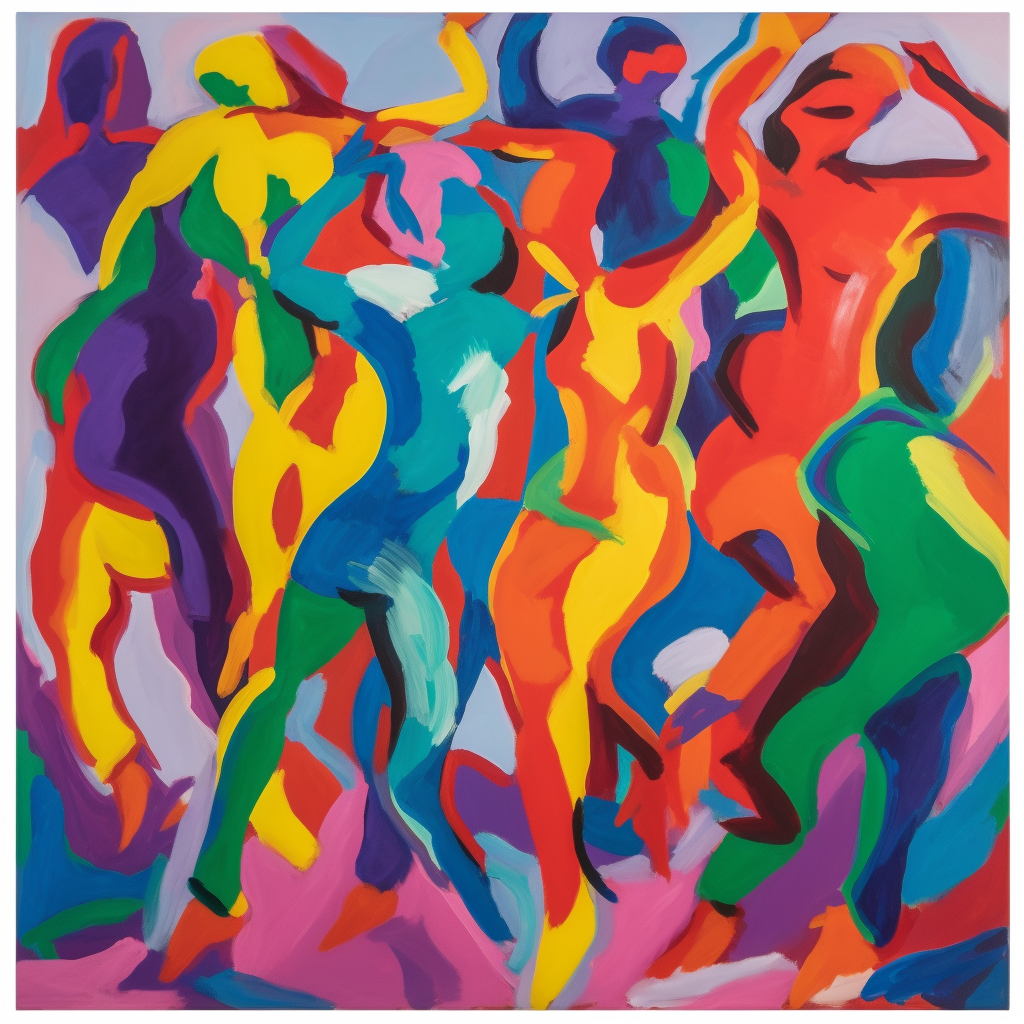
Marked by the use of bold, vibrant colors and simplified forms, Fauvism was an early 20th-century movement that emerged in France. Key artists, such as Henri Matisse and André Derain, sought to convey emotion and energy through their works, often using color in an exaggerated and expressive manner.
Fauvism, which derived its name from the French word “fauve,” meaning “wild beast,” was an avant-garde movement that broke away from the more traditional artistic styles of the time. The movement was relatively short-lived, lasting only from 1904 to 1908, but it had a significant impact on the trajectory of modern art.
Fauvist artists sought to liberate color from its descriptive and representational function, using it instead to express emotion and create a strong visual impact. They often applied bold, vibrant, and even unnatural colors in their works, departing from the more subdued and realistic palettes of earlier styles like Impressionism.
The simplified forms and shapes used by Fauvist artists were another defining characteristic of the movement. This emphasis on abstraction and the distortion of natural forms allowed the artists to focus on the emotional impact of their works, rather than attempting to create a perfect representation of the subject.
Some key works from the Fauvist movement include:
- Henri Matisse’s “Woman with a Hat” (1905): This portrait of Matisse’s wife features bold, non-naturalistic colors and loose, expressive brushstrokes, showcasing the artist’s innovative approach to color and form.
- André Derain’s “The Dance” (1906): This dynamic composition features vibrant colors and simplified, almost primitive forms, capturing the energy and movement of the dancers.
- Maurice de Vlaminck’s “The River Seine at Chatou” (1906): This landscape painting is characterized by its intense, vivid colors and bold brushstrokes, which give the work a sense of dynamism and vitality.
Although Fauvism was a relatively short-lived movement, it played a crucial role in the development of modern art by challenging the traditional notions of color and form. The movement’s influence can be seen in later artistic styles such as Expressionism, Abstract Expressionism, and even Pop Art, as artists continued to explore the expressive potential of color and abstraction.
Cubism (1907-1921):
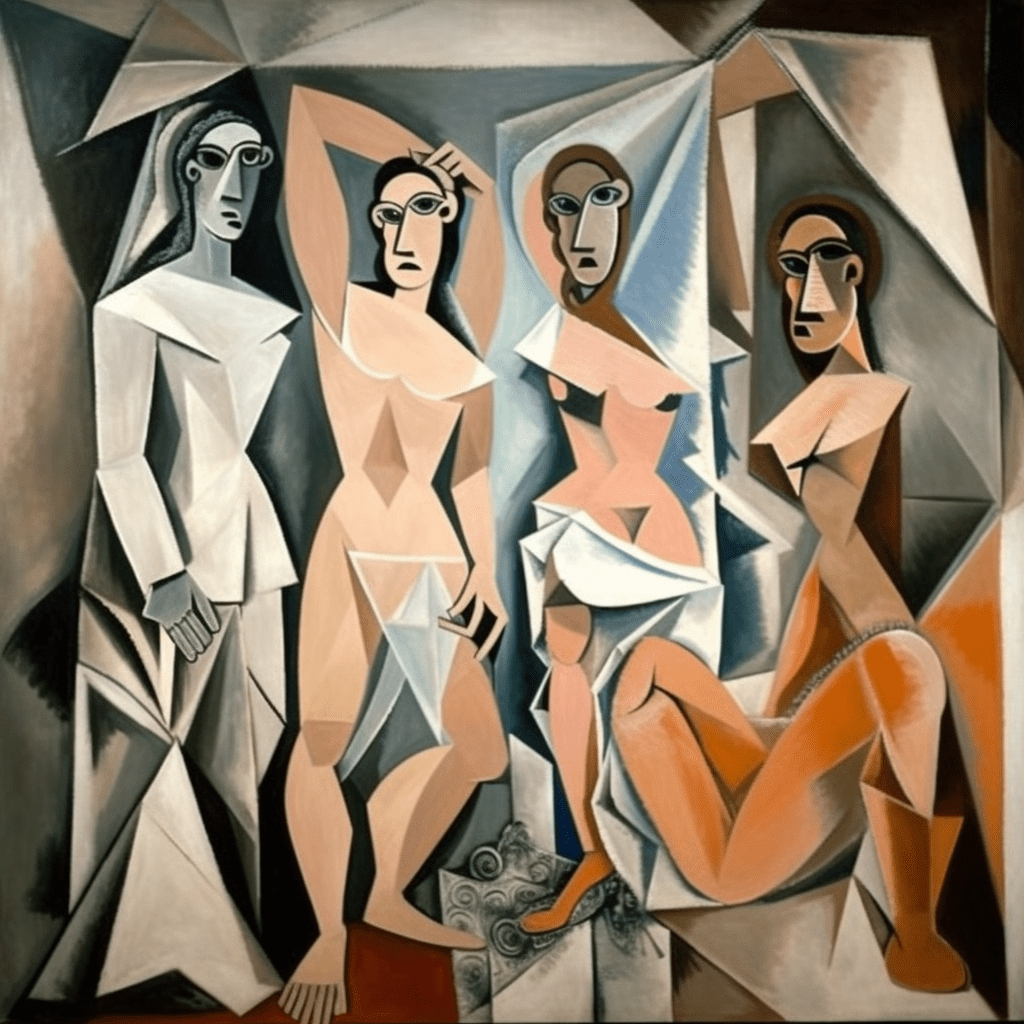
Cubism, pioneered by Pablo Picasso and Georges Braque, was a groundbreaking movement that sought to challenge traditional artistic perspectives. Artists depicted subjects from multiple viewpoints, breaking them down into geometric shapes and reconstructing them in a fragmented and abstract manner.
Cubism was a revolutionary art movement that emerged in the early 20th century, fundamentally changing the way artists approached representation in their works. Pablo Picasso and Georges Braque are widely recognized as the key figures who pioneered this groundbreaking style, which aimed to challenge the conventional artistic perspectives that had dominated European painting since the Renaissance.
Cubism is characterized by its unique approach to depicting subjects from multiple viewpoints. Instead of capturing a single, unified perspective, Cubist artists sought to represent various aspects of their subjects simultaneously. They achieved this by breaking down objects and figures into geometric shapes and then reconstructing them in a fragmented and abstract manner on the canvas.
The movement can be divided into two distinct phases: Analytical Cubism and Synthetic Cubism.
- Analytical Cubism (1907-1912): This early stage of Cubism focused on dissecting and analyzing the subject matter, breaking it down into its essential geometric components. The color palette during this phase was often muted, with artists favoring shades of gray, brown, and ochre. This allowed them to concentrate on the structural elements of their compositions without being distracted by color.
Key works from the Analytical Cubism period include Picasso’s “Les Demoiselles d’Avignon” (1907) and Braque’s “The Portuguese” (1911).
- Synthetic Cubism (1912-1921): This later stage of Cubism saw artists moving towards a more simplified and abstract approach, integrating various materials and textures into their works. The introduction of collage and papier collé techniques allowed artists to incorporate elements of the real world, such as newspaper clippings and fabric, into their compositions.
Key works from the Synthetic Cubism period include Picasso’s “Still Life with Chair Caning” (1912) and Braque’s “Fruit Dish and Glass” (1912).
Cubism had a profound and lasting impact on the art world, influencing a wide range of subsequent movements, including Futurism, Constructivism, and even Abstract Expressionism. By challenging the traditional notions of representation and perspective, Cubism opened the door for artists to explore new, innovative approaches to visual expression.
German Expressionism (1905-1933):
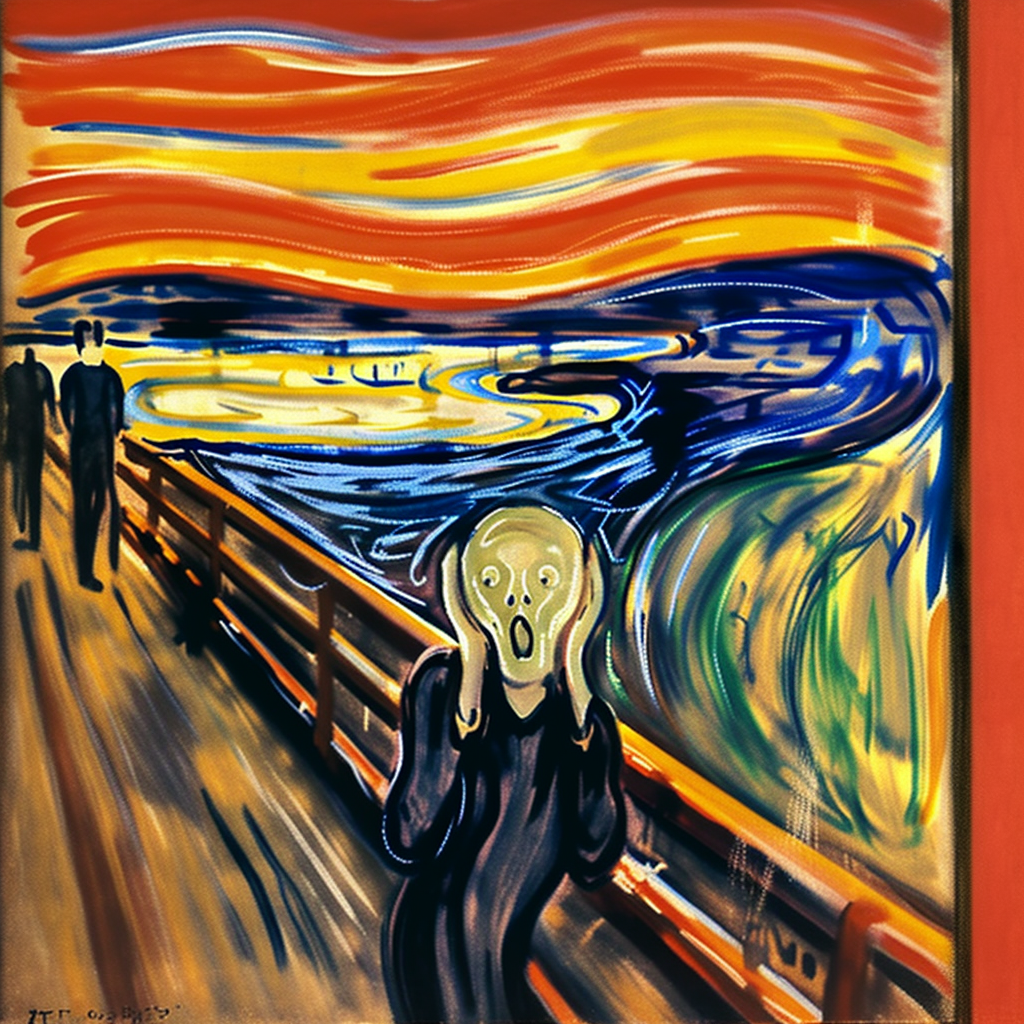
German Expressionism was a movement characterized by emotional intensity and a focus on the individual’s subjective experience. Key artists, such as Edvard Munch and Egon Schiele, used distorted forms, exaggerated colors, and bold brushstrokes to convey raw emotion and psychological states.
German Expressionism was a powerful and influential art movement that emerged in the early 20th century, primarily in Germany and Austria. The movement was characterized by its emotional intensity, focus on the individual’s subjective experience and rejection of the traditional academic art styles. German Expressionist artists sought to express their inner feelings, thoughts, and anxieties through their artwork, often employing distorted forms, exaggerated colors, and bold brushstrokes to achieve this goal.
The movement can be broadly divided into two main groups: Die Brücke (The Bridge) and Der Blaue Reiter (The Blue Rider).
- Die Brücke (1905-1913): Founded in Dresden in 1905 by a group of artists including Ernst Ludwig Kirchner, Erich Heckel, and Karl Schmidt-Rottluff, Die Brücke aimed to create a bridge between traditional German art and modern art movements emerging in the rest of Europe. The artists were inspired by the works of Vincent van Gogh, Edvard Munch, and African and Oceanic art. They employed bold colors, simplified forms, and expressive brushstrokes to depict urban scenes, landscapes, and figurative subjects that conveyed their emotional states.
Key works from the Die Brücke group include Kirchner’s “Street, Dresden” (1908) and Heckel’s “Seated Woman” (1913).
- Der Blaue Reiter (1911-1914): Founded in Munich in 1911 by Wassily Kandinsky, Franz Marc, and other artists, Der Blaue Reiter was more focused on abstraction and spirituality in art. The group aimed to express the spiritual aspects of life through color, form, and symbolism. They were influenced by various artistic traditions, including Russian folk art, medieval German art, and contemporary French Fauvism.
Key works from Der Blaue Reiter group include Kandinsky’s “Composition VII” (1913) and Marc’s “The Large Blue Horses” (1911).
In addition to the artists mentioned above, other notable figures associated with German Expressionism include Egon Schiele, Oskar Kokoschka, Max Beckmann, and Emil Nolde. While the movement was eventually suppressed by the Nazi regime in the 1930s, its impact on the art world was significant and far-reaching. German Expressionism influenced a wide range of subsequent art movements, such as Abstract Expressionism and Neo-Expressionism, and its focus on emotional expression and individual subjectivity continues to inspire artists to this day.
Dadaism (1916-1924):
Dadaism emerged during World War I as a reaction against the violence and rationalism that many artists felt had led to the war. This anti-art movement embraced the chaos, nonsense, and the absurd, with artists like Marcel Duchamp and Max Ernst creating provocative and often humorous works that questioned traditional artistic values.
Dadaism was an avant-garde art movement that emerged in the midst of World War I, primarily in Zurich, Switzerland, but also with significant branches in cities such as Berlin, Paris, and New York. The movement was a direct response to the devastating effects of the war, as well as the societal values and rationalist thought that many artists believed had contributed to the conflict. Dadaists aimed to challenge the conventional norms of art, culture, and politics through their subversive, anti-establishment works.
Dadaism embraced chaos, nonsense, and the absurd in its artworks, which often incorporated unconventional materials and methods. Artists utilized a variety of mediums, including painting, sculpture, photography, and collage, to create their provocative and often humorous pieces. By rejecting traditional artistic values and techniques, Dadaists sought to question the very nature of art and its role in society.
Some key figures associated with the Dada movement include:
- Marcel Duchamp: Known for his “ready-mades,” Duchamp repurposed everyday objects as art, questioning the traditional notions of artistic creation and value. His most famous work, “Fountain” (1917), is a urinal signed with the pseudonym “R. Mutt,” which sparked controversy and debate in the art world.
- Max Ernst: A German artist who embraced Dadaism before transitioning to Surrealism, Ernst experimented with various techniques, such as frottage (rubbing) and grattage (scraping), to create his imaginative and unconventional artworks. Some of his notable Dada pieces include “The Elephant Celebes” (1921) and “Two Children Are Threatened by a Nightingale” (1924).
- Hannah Höch: A pioneering female artist in the predominantly male-dominated Dada movement, Höch created innovative photomontages that critiqued societal norms, particularly in relation to gender roles. Her work “Cut with the Kitchen Knife Dada through the Last Weimar Beer-Belly Cultural Epoch of Germany” (1919) is a prime example of her distinctive style and biting commentary.
- Tristan Tzara: A Romanian poet and one of the founding figures of the Dada movement, Tzara wrote manifestos, organized events, and engaged in provocative performances that embodied the anti-establishment spirit of Dadaism.
While the Dada movement was relatively short-lived, its impact on the art world was profound. Dadaism laid the groundwork for numerous subsequent art movements, including Surrealism, Pop Art, and Conceptual Art. Its radical approach to questioning artistic norms and pushing boundaries continues to inspire and influence artists today.
Surrealism (1924-1966):
Surrealism, led by André Breton, sought to explore the unconscious mind and the world of dreams. Artists such as Salvador Dalí, René Magritte, and Max Ernst created works that combined dreamlike imagery with elements of surprise, unexpected juxtapositions, and illogical scenes.
Surrealism was an influential art movement that began in the 1920s, primarily in Paris, as a reaction to the rationalism that had been dominant in art and society. Inspired by the works of Sigmund Freud and the psychoanalytic exploration of the unconscious mind, Surrealism aimed to bridge the gap between the realms of dreams and reality. Under the leadership of André Breton, who authored the First Surrealist Manifesto in 1924, the movement sought to liberate the creative potential of the unconscious and to challenge conventional perceptions of reality.
Surrealist artists employed a variety of techniques and mediums, including painting, sculpture, photography, and film, to create their often enigmatic and dreamlike works. Key elements of Surrealist art include unexpected juxtapositions, fantastical landscapes, illogical scenes, and the use of automatism, which involved creating art without conscious thought to access the unconscious mind.
Some prominent figures and works associated with Surrealism include:
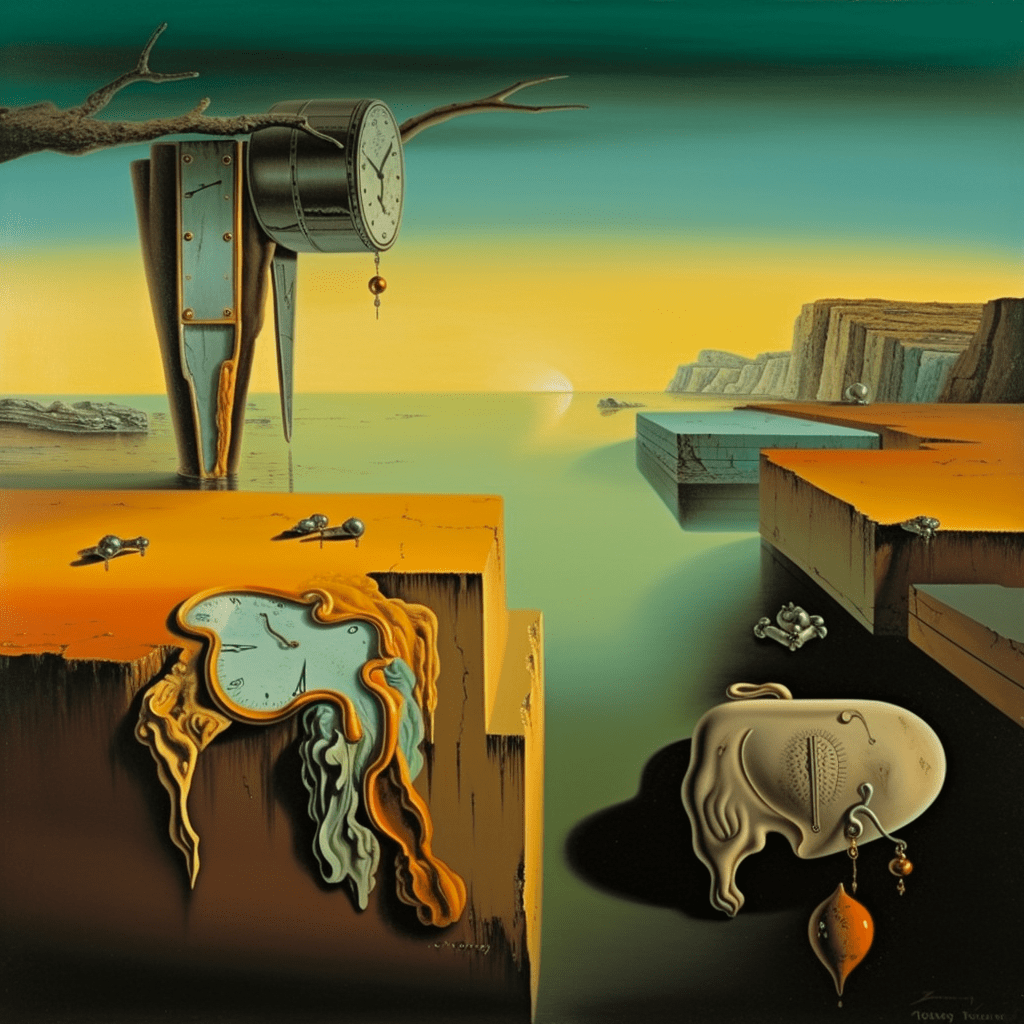
- Salvador Dalí: Known for his meticulous and hyperrealistic painting style, Dalí created iconic Surrealist images, such as melting clocks in “The Persistence of Memory” (1931) and the dreamlike landscape of “The Disintegration of the Persistence of Memory” (1954).
- René Magritte: A Belgian painter, Magritte explored the relationship between objects, images, and their meanings in his enigmatic and thought-provoking works, such as “The Treachery of Images” (1929), featuring a painted pipe with the words “Ceci n’est pas une pipe” (This is not a pipe).
- Max Ernst: Having transitioned from Dadaism to Surrealism, Ernst continued to experiment with innovative techniques, such as frottage, grattage, and decalcomania, to create his imaginative and otherworldly compositions, like “Europe After the Rain II” (1940-42).
- Joan Miró: A Spanish artist, Miró’s distinctive style combined abstract elements, biomorphic forms, and vivid colors, creating whimsical and dreamlike compositions, as seen in “The Tilled Field” (1923-1924) and “Harlequin’s Carnival” (1924-1925).
- Frida Kahlo: Though not formally associated with the Surrealist movement, Kahlo’s self-portraits often incorporated fantastical elements and symbolism inspired by her personal experiences, dreams, and emotions, such as in “The Two Fridas” (1939) and “Self-Portrait with Thorn Necklace and Hummingbird” (1940).
While the Surrealist movement began to decline in the 1960s, its impact on art and culture has been enduring. Surrealism played a significant role in shaping modern and contemporary art, paving the way for subsequent movements like Abstract Expressionism and influencing artists across various disciplines, including literature, film, and fashion.

Abstract Expressionism (1940s-1950s):
Originating in the United States, Abstract Expressionism was a post-World War II movement that emphasized spontaneous, gestural brushwork and the use of color to express emotion. Key artists, such as Jackson Pollock and Mark Rothko, sought to evoke emotion through abstraction, creating monumental and deeply emotional works.
Abstract Expressionism emerged in the 1940s and 1950s, primarily in New York City, as a response to the atrocities of World War II and the increasing disillusionment with traditional artistic forms. This movement marked a significant shift in the art world, as the United States, particularly New York, began to establish itself as the center of the international art scene, replacing Paris.
Characterized by its emphasis on individual expression, emotion, and spontaneity, Abstract Expressionism rejected traditional representational art in favor of abstraction. Artists explored new techniques and approaches to painting, such as gestural brushwork, the use of unconventional materials, and large-scale compositions.
Abstract Expressionism is often divided into two subcategories: Action Painting and Color Field Painting.
- Action Painting: This subgenre is associated with artists like Jackson Pollock, Willem de Kooning, and Franz Kline, who focused on the physical act of painting itself. Action painters applied paint in a dynamic and energetic manner, using techniques like dripping, splattering, and vigorous brushstrokes to create a sense of movement and spontaneity on the canvas. Jackson Pollock’s “drip paintings,” such as “Number 1A, 1948,” are iconic examples of this style, as they showcase the artist’s unique process of dripping and flinging paint onto a large canvas laid on the floor.
- Color Field Painting: This subgenre, which includes artists like Mark Rothko, Barnett Newman, and Clyfford Still, focuses on the expressive power of color and simplified, large-scale forms. Color Field painters often employed large, flat areas of color to create a sense of depth and emotion, evoking a contemplative and immersive experience for the viewer. Mark Rothko’s “multiform” paintings, such as “No. 14, 1960,” exemplify this style, featuring large rectangles of color that seem to float on the canvas.
Abstract Expressionism had a profound influence on subsequent art movements and artists, paving the way for other forms of abstraction and experimentation in the latter half of the 20th century. The movement’s focus on individual expression and the exploration of the artist’s inner world continues to inspire contemporary artists today, while its impact on the global art scene has been undeniable, establishing New York as a major cultural hub.

Pop Art (1950s-1960s):
Pop Art emerged as a reaction against Abstract Expressionism, embracing popular culture, mass media, and consumerism. Artists like Andy Warhol, Roy Lichtenstein, and Claes Oldenburg used bold colors, recognizable imagery, and ironic humor to comment on contemporary society.
Pop Art, originating in the United States and the United Kingdom in the 1950s and 1960s, was a significant departure from the introspective and emotional intensity of Abstract Expressionism. Instead, Pop Art celebrated the everyday, the mass-produced, and the mundane, drawing inspiration from popular culture, advertising, comic books, and consumer goods. By incorporating recognizable imagery and everyday objects into their artwork, Pop Artists blurred the boundaries between “high” art and “low” culture, challenging traditional artistic values and conventions.
Key characteristics of Pop Art include the use of bold colors, graphic design elements, and the appropriation of popular imagery and mass-produced objects. Artists often employed techniques like screen printing, collage, and assemblage to create their works, incorporating images and objects from consumer culture to convey a sense of familiarity and accessibility.
Some of the most prominent Pop Artists and their works include:
- Andy Warhol: Known for his iconic portrayals of consumer goods and celebrities, Warhol’s work, such as the “Campbell’s Soup Cans” series and the “Marilyn Diptych,” emphasized the repetitive, mass-produced nature of popular culture. He used screen printing to create multiple, nearly identical images, highlighting the concept of art as a commodity.
- Roy Lichtenstein: Lichtenstein’s paintings, such as “Whaam!” and “Drowning Girl,” were inspired by comic book illustrations and often featured bold colors, thick black outlines, and Ben-Day dots to mimic the printing process used in comic books. His work commented on the trivialization of emotion and the influence of mass media on modern life.
- Claes Oldenburg: Known for his large-scale sculptures of everyday objects, Oldenburg’s works, like “Spoonbridge and Cherry” and “Clothespin,” challenged the viewer’s perception of familiar items by altering their scale and context. His sculptures often incorporated humor and whimsy, encouraging a playful interaction between the viewer and the artwork.
- Richard Hamilton: As a British Pop Artist, Hamilton’s work often reflected a more critical view of consumer culture. His collage “Just what is it that makes today’s homes so different, so appealing?” is considered one of the earliest examples of Pop Art, featuring images from advertisements and popular magazines to comment on the materialistic desires of post-war society.
Pop Art had a significant impact on the art world and continues to influence contemporary artists today. The movement’s embrace of popular culture, mass media, and consumerism helped to redefine the role of the artist and the artwork, encouraging a more inclusive and accessible approach to art-making and appreciation.

Minimalism (1960s-1970s):
Minimalism was a reaction against the complexity and expressiveness of Abstract Expressionism, focusing on simplicity, geometric forms, and the use of industrial materials. Artists like Donald Judd, Dan Flavin, and Agnes Martin sought to create works that emphasized the purity of form and the viewer’s experience of the artwork.
Minimalism, which emerged in the 1960s and 1970s, primarily in the United States, was a radical departure from the emotional intensity and gestural brushwork of Abstract Expressionism. Minimalist artists sought to strip their work down to the essential elements of form, color, and material, rejecting any overt expression of emotion or personal narrative. The movement emphasized the use of geometric shapes, repetition, and industrial materials, aiming to create a pure and objective aesthetic that engaged the viewer in a direct, intellectual manner.
Key characteristics of Minimalism include the use of simple, often geometric forms, a limited color palette, and a focus on the viewer’s experience of the artwork within the gallery or exhibition space. Minimalist artists often employed industrial materials, such as metal, glass, and concrete, embracing their inherent qualities and eschewing traditional artistic techniques and mediums.
Some of the most prominent Minimalist artists and their works include:
- Donald Judd: Judd’s sculptures, such as his “Stacks” series, featured clean, geometric shapes and utilized industrial materials like aluminum and Plexiglas. His work emphasized the importance of the viewer’s experience of the artwork in relation to the surrounding space, promoting a direct and unmediated engagement with the object itself.
- Dan Flavin: Flavin was known for his innovative use of fluorescent light fixtures in his sculptures and installations. By arranging the lights in geometric configurations and using colored tubes, Flavin created immersive environments that explored the relationship between light, space, and the viewer’s experience.
- Agnes Martin: While primarily considered an abstract painter, Martin’s work is closely associated with Minimalism due to her use of geometric forms, repetition, and a limited color palette. Her grid-based paintings, such as “Untitled #1,” convey a sense of meditative calm and simplicity, emphasizing the purity of form and the artist’s intention.
- Frank Stella: Stella’s geometric paintings, such as his “Black Paintings” series, were characterized by their clean lines, flat surfaces, and monochromatic color schemes. By eliminating any suggestion of depth or illusion, Stella’s work focused on the formal elements of the composition, creating a sense of objectivity and detachment.
Minimalism has had a lasting influence on the art world, with its focus on simplicity, form, and material continuing to inspire contemporary artists today. The movement’s emphasis on the viewer’s experience and the artwork’s relationship to the surrounding space has also had a significant impact on the development of installation and site-specific art, as well as the broader fields of architecture and design.

Conceptual Art (1960s-1970s):
Conceptual Art prioritized ideas over the physical artwork, often using unconventional materials and methods to challenge traditional artistic practices. Key figures in the movement included Sol LeWitt, Joseph Kosuth, and Yoko Ono, who emphasized the importance of the concept or idea behind the artwork rather than its aesthetic qualities
Conceptual Art, which emerged in the 1960s and 1970s, was a groundbreaking movement that sought to redefine the role of art in society by placing emphasis on the intellectual ideas and concepts behind the artwork, rather than the physical object or its aesthetic qualities. Artists working within this movement questioned the notion of art as a commodity and sought to subvert traditional artistic practices, often utilizing unconventional materials, methods, and mediums to convey their messages.
Some key characteristics of Conceptual Art include:
- Emphasis on ideas: Conceptual artists prioritized the intellectual content and meaning of their work over its visual or aesthetic qualities. This shift in focus led to the creation of art that often appeared minimal, abstract, or even non-existent, with the concept or idea taking center stage.
- Use of text and language: Text and language played a significant role in Conceptual Art, with artists using written statements, instructions, or explanations to communicate their ideas. This emphasis on language served to reinforce the primacy of the idea or concept over the visual aspects of the work.
- Unconventional materials and methods: Conceptual artists often employed unconventional materials and methods to create their work, such as photography, performance art, and installation. By using these non-traditional mediums, artists challenged the notion of what constituted art and sought to expand the boundaries of artistic practice.
- Critique of institutions and systems: Conceptual Art often engaged in a critical examination of art institutions and systems, questioning the role of the artist, the gallery, and the art market in the production and consumption of art.
Some prominent Conceptual artists and their works include:
- Sol LeWitt: LeWitt is known for his minimalist sculptures and wall drawings, which were often based on a series of instructions or rules that could be executed by others. His work emphasized the importance of the concept or idea behind the artwork and questioned the traditional notion of the artist as the sole creator.
- Joseph Kosuth: Kosuth’s work, such as “One and Three Chairs,” often involved the use of language and text to explore the relationships between art, language, and meaning. His work questioned the nature of art and its role in society, challenging viewers to engage with the intellectual ideas behind the work.
- Yoko Ono: Ono’s work in Conceptual Art included performance art, instructions, and interactive installations that encouraged viewer participation. Her work often dealt with themes of peace, love, and human connection, using art as a means to communicate and engage with audiences on a deeper level.
- Lawrence Weiner: Weiner’s work primarily consisted of text-based pieces that presented statements or instructions as the artwork itself. His focus on language and the communication of ideas exemplified the core tenets of Conceptual Art.
Conceptual Art has had a lasting impact on the art world, influencing subsequent movements and artists who continue to prioritize ideas, challenge traditional artistic practices, and engage viewers in critical thinking and dialogue.
Performance Art (1960s-present):
Performance Art emerged as an interdisciplinary and experimental art form that focuses on the artist’s actions and the viewer’s experience. Pioneered by artists such as Marina Abramović, Yoko Ono, and Chris Burden, Performance Art incorporates elements of theater, dance, and visual art to create immersive and often provocative experiences.
Performance Art, which originated in the 1960s and continues to be a relevant art form today, is a dynamic and interdisciplinary medium that combines elements of theater, dance, visual art, and other forms of creative expression. The emphasis in Performance Art is on the actions of the artist and the experience of the viewer, often blurring the line between performer and audience. This art form has been known for pushing boundaries, challenging societal norms, and encouraging personal and political introspection.
Some key characteristics of Performance Art include:
- Emphasis on the body and presence: Performance Art is centered around the artist’s body and their physical presence within the space. The artist’s body often serves as both the subject and the medium of the work, with actions, gestures, and movements being used to convey meaning and emotion.
- Time-based nature: Performance Art is inherently time-based, with each performance occurring within a specific time frame and often taking on a unique, ephemeral quality. This temporal nature contributes to the sense of immediacy and intimacy between the artist and the audience.
- Interactivity and audience engagement: Performance Art often invites the audience to participate or engage with the work, either directly or indirectly. This interactive element can serve to challenge traditional notions of spectatorship and encourage a more immersive, personal experience.
- Interdisciplinary approach: Performance Art is characterized by its fusion of various artistic disciplines, such as visual art, theater, dance, and music. This interdisciplinary approach allows artists to explore new creative possibilities and engage with their audience in innovative ways.
- Provocative and challenging themes: Performance Art has been known for addressing complex and often controversial themes, ranging from personal identity and sexuality to political and social issues. The confrontational and thought-provoking nature of this art form encourages dialogue and self-reflection among viewers.
Some notable Performance artists and their works include:
- Marina Abramović: Known as the “grandmother of performance art,” Abramović has created numerous groundbreaking works that explore themes of self-transformation, endurance, and the human condition. Her piece “The Artist Is Present” (2010) involved sitting silently across from individual audience members for a total of 736 hours and 30 minutes.
- Yoko Ono: In addition to her work in Conceptual Art, Ono is also a pioneer of Performance Art. Her 1964 piece “Cut Piece” invited audience members to cut away pieces of her clothing with a pair of scissors, illustrating themes of vulnerability and control.
- Chris Burden: Known for his daring and often dangerous performances, Burden created works that pushed the boundaries of physical endurance and risk. In his 1971 piece “Shoot,” he had an assistant shoot him in the arm with a rifle, highlighting the violence and risk-taking inherent in contemporary society.
- Carolee Schneemann: Schneemann was a pioneering feminist artist who used her body as a canvas to explore themes of sexuality, gender, and personal expression. Her 1964 performance “Meat Joy” incorporated raw meat, paint, and live performers to create a chaotic, sensual, and visceral experience.
Performance Art has had a profound impact on contemporary art, inspiring artists to experiment with new forms of expression and challenging the traditional boundaries of artistic practice. The medium continues to evolve and push the limits of what art can be, fostering innovation and creative exploration.
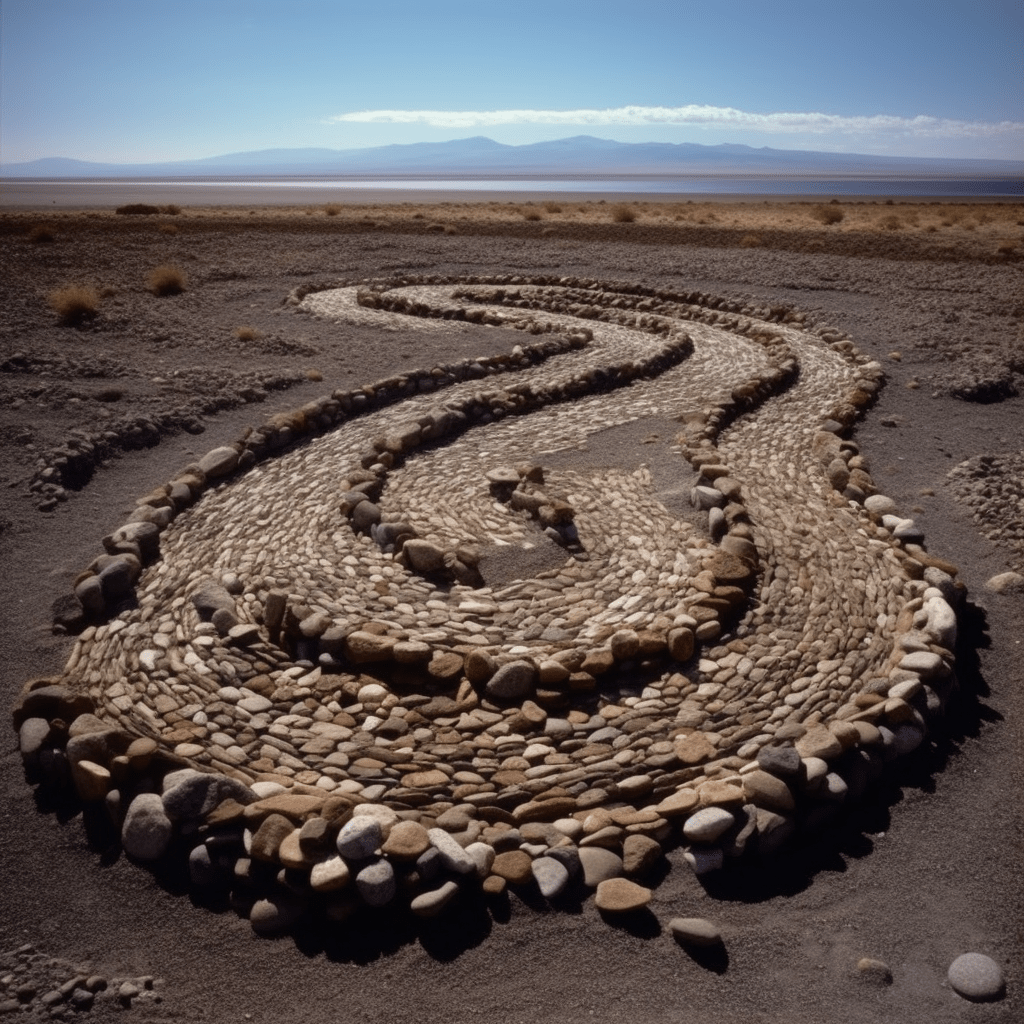
Land Art (1960s-1970s):
Land Art, also known as Earth Art, was a movement that sought to bring art out of the gallery and into the natural environment. Artists like Robert Smithson, Nancy Holt, and Michael Heizer created large-scale installations and sculptures using natural materials, often altering the landscape in significant ways.
Land Art, or Earth Art, emerged in the 1960s and 1970s as a response to the commercialization of the art world and a desire to reconnect with nature. This movement sought to move beyond the confines of galleries and museums, creating artworks directly in the natural environment. Land Art is characterized by its large-scale installations and sculptures, utilizing natural materials and often dramatically altering the landscape. By integrating art with the environment, Land Artists explored themes of ephemerality, human impact on nature, and the relationship between art and the Earth.
Some key characteristics of Land Art include:
- Site-specificity: Land Art is inherently site-specific, meaning that each artwork is created for a particular location and is deeply connected to its surrounding environment. This connection to the land is essential to the artwork’s meaning and experience.
- Use of natural materials: Land Art typically incorporates natural materials found at the site, such as earth, rocks, sand, or vegetation. The use of these materials not only creates a connection between the artwork and its environment but also emphasizes the impermanence and organic nature of the work.
- Large-scale and immersive: Many Land Art installations are monumental in scale, sometimes covering vast areas of land. This large-scale nature invites the viewer to experience the work in a more immersive and physical way, often requiring them to travel to remote locations.
- Environmental impact: Land Art often involves significant alterations to the landscape, such as digging, moving earth, or constructing large structures. These alterations raise questions about the human impact on nature and the role of art in our relationship with the environment.
- Ephemeral nature: Land Art is often temporary or subject to natural processes, such as erosion or decay, which can eventually lead to the work’s disappearance or transformation. This ephemeral quality underscores the ever-changing nature of the environment and our place within it.
Notable Land Art projects and artists include:
- Robert Smithson: Known for his iconic work “Spiral Jetty” (1970), Smithson created a massive earthwork in the shape of a spiral, extending into the Great Salt Lake in Utah. The work explores themes of entropy and change, as the salt-encrusted rocks are subject to fluctuating water levels and natural processes.
- Nancy Holt: Holt’s “Sun Tunnels” (1973-1976) is an installation in the Utah desert consisting of four large concrete tubes aligned with the solstices’ sunrise and sunset. The tubes frame specific views of the landscape and allow sunlight to create patterns within the tunnels during the solstice events.
- Michael Heizer: Heizer’s ongoing project “City” (1972-present) is an immense and complex earthwork in the Nevada desert, inspired by ancient architectural forms. Covering over a mile in length, “City” is one of the largest and most ambitious Land Art projects to date.
- Richard Long: Long’s practice focuses on the act of walking as an art form, creating works that document his journeys through the landscape. Long often arranges natural materials, such as rocks or sticks, into geometric forms or lines, marking his presence and interaction with the environment.
- Andy Goldsworthy: Goldsworthy is known for his ephemeral and delicate works created from natural materials, such as leaves, ice, or stone. His site-specific sculptures emphasize the beauty and fragility of nature, often existing for only a short time before being reclaimed by natural processes.
Land Art has had a significant influence on contemporary art, challenging traditional notions of what constitutes an artwork and encouraging a deeper engagement with the natural world. While some Land Art installations still exist today, many have been lost or transformed over time, highlighting the movement’s ephemeral and ever-changing nature.
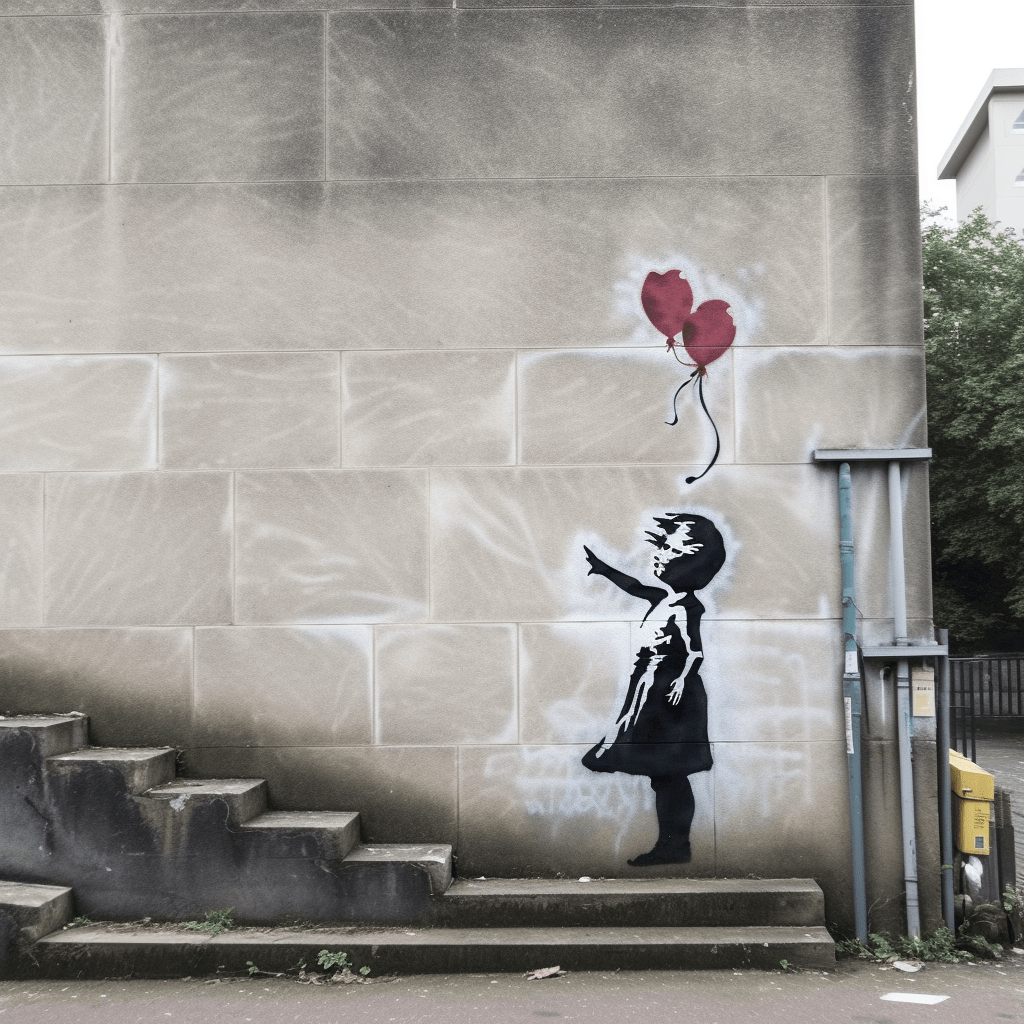
Street Art (1970s-present):
Street Art originated as an underground and often illegal form of artistic expression in urban environments. Artists like Jean-Michel Basquiat, Keith Haring, and Banksy have used public spaces to create visually striking and often politically charged works, gaining widespread recognition and transforming the perception of street art as a legitimate art form.
Street Art, which emerged in the 1970s and continues to thrive today, is an unconventional and often controversial art form that takes place in public spaces, primarily in urban settings. Initially associated with graffiti and tagging, Street Art has evolved to encompass a wide range of artistic practices, from murals and stencil art to installations and sculptures. Street Art is characterized by its public and often transient nature, its accessibility to a broad audience, and its frequent engagement with social and political issues.
Some key aspects of Street Art include:
- Public space: Street Art typically occurs in public spaces, making it accessible to a wide and diverse audience. This public nature challenges traditional notions of art confined to galleries and museums, and often sparks conversations and debates about the role of art in society.
- Legality and rebellion: Much of Street Art’s early history is rooted in acts of rebellion, with artists working illegally and often risking arrest to create their works. This subversive nature contributes to the movement’s allure and its ability to challenge established power structures and social norms.
- Social and political commentary: Street Art frequently engages with social and political issues, providing commentary on topics such as consumerism, inequality, and environmental concerns. This aspect has led to the recognition of Street Art as a powerful tool for activism and social change.
- Diverse artistic practices: Street Art encompasses a wide range of artistic practices, from graffiti and stenciling to large-scale murals, installations, and sculptures. This diversity allows for a broad range of creative expression and has contributed to the movement’s ongoing growth and evolution.
- Ephemeral nature: Much of Street Art is transient, subject to weather, vandalism, or removal by authorities. This temporary quality adds to its appeal and reinforces the idea of art as a living, constantly changing entity.
Notable Street Artists and their works include:
- Jean-Michel Basquiat: Basquiat began his career as a graffiti artist in New York City, eventually gaining recognition for his distinctive style and raw, expressive paintings. His work often featured themes of race, identity, and social commentary.
- Keith Haring: Haring gained fame for his lively and instantly recognizable illustrations, which he painted on walls, subway stations, and billboards throughout New York City. His work often addressed themes such as love, sexuality, and social justice.
- Banksy: The elusive British artist Banksy is known for his satirical and often politically charged stencil art, which appears in public spaces around the world. His works frequently critique capitalism, war, and government surveillance.
- Shepard Fairey: Fairey gained widespread attention for his iconic “Hope” poster featuring Barack Obama during the 2008 U.S. presidential campaign. Fairey’s work often focuses on themes of propaganda, social critique, and political activism.
- Blu: The Italian street artist Blu is known for his large-scale murals, which often depict surreal and thought-provoking scenes. His work frequently explores themes of consumerism, environmental degradation, and social inequality.
Street Art has had a significant impact on the contemporary art world, challenging traditional boundaries and encouraging a more inclusive and democratic approach to artistic expression. As the movement continues to evolve, Street Art remains a vital and dynamic force in the global art scene, constantly pushing the limits of creativity and sparking meaningful conversations about the world we live in.
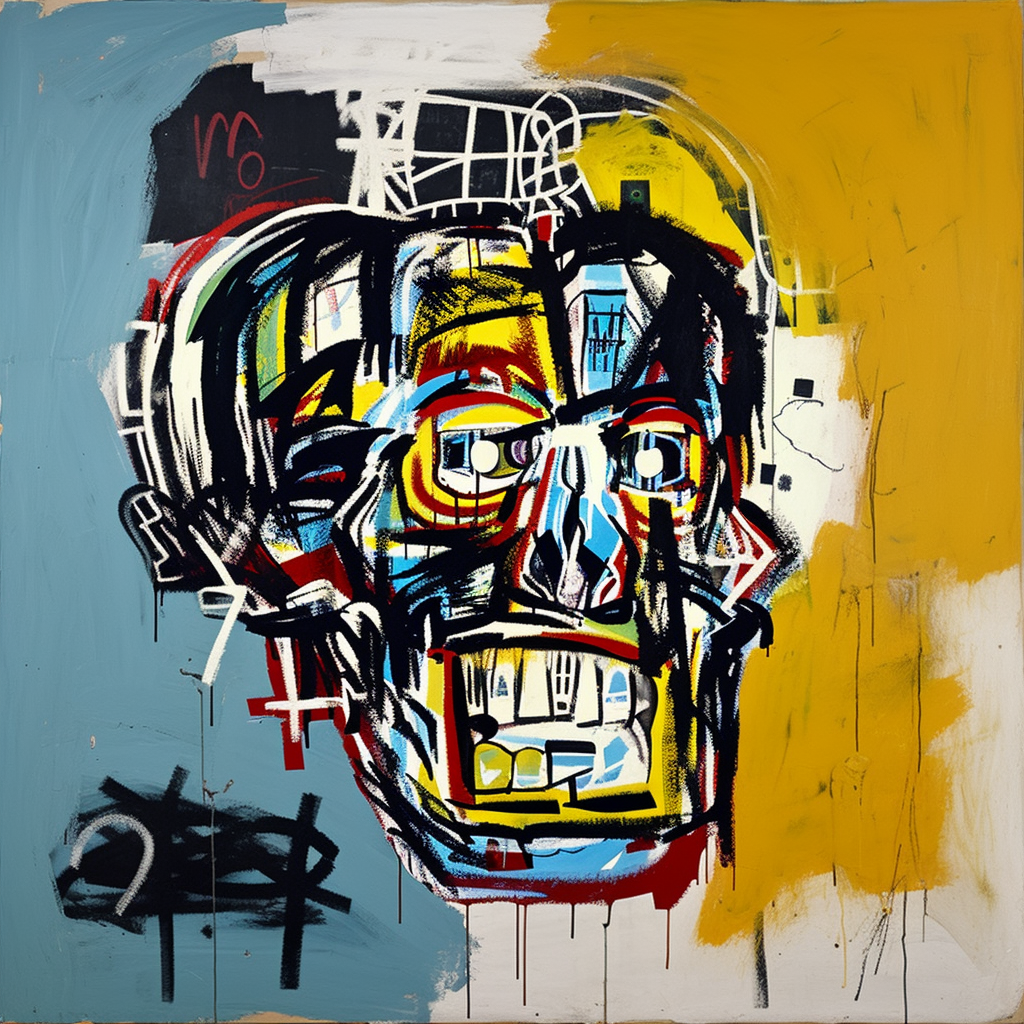
Neo-Expressionism (1980s):
Neo-Expressionism was a movement characterized by a return to figurative painting and an emphasis on emotion and individual expression. Key artists, such as Julian Schnabel, Anselm Kiefer, and Jean-Michel Basquiat, used bold colors, rough textures, and gestural brushstrokes to create powerful, emotionally charged works.
Neo-Expressionism, which emerged in the 1980s, was a reaction against the more conceptual and minimalist art movements of the preceding decades. The movement marked a return to figurative painting and embraced emotion, personal expression, and often intense subject matter. Neo-Expressionist artists drew inspiration from earlier movements such as German
Expressionism and Abstract Expressionism, combining aspects of both to create a new and distinct visual language. Some key features of Neo-Expressionism include:
- Figurative painting: Unlike the abstract and conceptual art trends of the 1960s and 1970s, Neo-Expressionism saw a return to figurative painting, with artists representing human figures, animals, and recognizable objects in their works.
- Emotional intensity: Neo-Expressionist artists sought to convey intense emotion through their art, using powerful imagery, bold colors, and expressive brushwork to create a visceral impact on the viewer.
- Individual expression: A key aspect of Neo-Expressionism was the emphasis on the artist’s personal feelings, experiences, and emotions, which were often communicated through autobiographical or introspective subject matter.
- Rough textures and gestural brushstrokes: The artists often employed rough textures, thick layers of paint, and visible brushstrokes in their paintings, creating a sense of spontaneity and energy.
- Eclectic influences: Neo-Expressionist artists drew inspiration from a wide range of sources, including primitive art, folk art, graffiti, and the work of earlier expressionist painters.
Notable Neo-Expressionist artists and their works include:
- Julian Schnabel: Known for his large-scale paintings on unconventional surfaces such as broken plates, Schnabel’s work is characterized by its rough textures, vivid colors, and powerful imagery.
- Anselm Kiefer: Kiefer’s work often engages with themes of history, memory, and spirituality, using materials such as straw, ash, and lead to create dense, heavily textured paintings and sculptures.
- Jean-Michel Basquiat: Initially gaining recognition as a graffiti artist, Basquiat went on to become a leading figure in the Neo-Expressionist movement. His work is characterized by its raw energy, bold colors, and graffiti-inspired imagery, often addressing themes of race, identity, and social commentary.
- Francesco Clemente: Clemente’s paintings are marked by their dreamlike, often surreal imagery, and a deeply personal exploration of the human psyche.
- Eric Fischl: Fischl’s work often focuses on psychologically charged domestic scenes and suburban life, using vivid colors and expressive brushwork to create a sense of tension and unease.
Neo-Expressionism had a significant impact on the art world in the 1980s, breathing new life into painting and bringing a renewed focus on emotion and personal expression. The movement’s legacy can still be seen in contemporary art today, with many artists continuing to explore the expressive possibilities of painting and drawing on the rich history of expressionist art.

Digital Art (1990s-present):
Digital Art emerged with the advent of computers and digital technology, allowing artists to create works using digital tools and techniques. Pioneers in this field, such as Nam June Paik and Jenny Holzer, have embraced various digital media, including video, animation, virtual reality, and interactive installations, to create innovative and immersive experiences.
Digital Art, which has gained prominence since the 1990s, encompasses a wide range of artistic practices that utilize digital technology as a central component of the creative process. The advent of computers, software, and digital tools has allowed artists to experiment with new ways of creating and presenting their work, often pushing the boundaries of traditional art forms.
Some key aspects and subgenres of Digital Art include:
- Digital painting and drawing: Artists use digital tools, such as graphic tablets and styluses, to create digital paintings and drawings that mimic or diverge from traditional painting and drawing techniques.
- Digital photography and manipulation: Digital cameras have revolutionized photography, allowing artists to capture and manipulate images with greater ease and precision. Some artists also use software like Adobe Photoshop to create digital collages or manipulate images in ways that were not possible with traditional darkroom techniques.
- Video art: Video art incorporates moving images and often sound to create immersive installations or screen-based works. Pioneers in this field, like Nam June Paik, used television screens and video monitors to create innovative works that explored the relationship between technology and art.
- Animation and motion graphics: Digital technology has enabled artists to create complex animations and motion graphics, often combining visual elements with sound or music to create dynamic, engaging experiences.
- Net art and web-based art: Net art encompasses artistic practices that use the internet as a medium or platform for creation and distribution. Artists create web-based works that are interactive, participatory, or designed to be experienced solely online.
- Virtual reality (VR) and augmented reality (AR): VR and AR technologies allow artists to create immersive, interactive experiences that transport viewers into entirely new environments or overlay digital information onto the physical world.
- Generative art and algorithmic art: Generative and algorithmic art involves using computer algorithms and code to create artworks that are often dynamic, interactive, or constantly evolving. Artists like Casey Reas and Vera Molnár have used programming languages and custom software to create visually stunning, mathematically driven works.
- Interactive installations: Interactive installations invite viewer participation, often using sensors, cameras, or other digital devices to create immersive environments that respond to the viewer’s presence or actions.
- Digital sculpture and 3D printing: Artists use digital modeling software and 3D printers to create sculptures and objects that would be difficult or impossible to produce using traditional sculpting techniques.
Digital Art continues to evolve as technology advances, offering artists new opportunities for creative expression and challenging traditional notions of what art can be. The impact of digital technology on the art world has been profound, leading to new forms of artistic practice and reshaping the way art is created, consumed, and experienced.
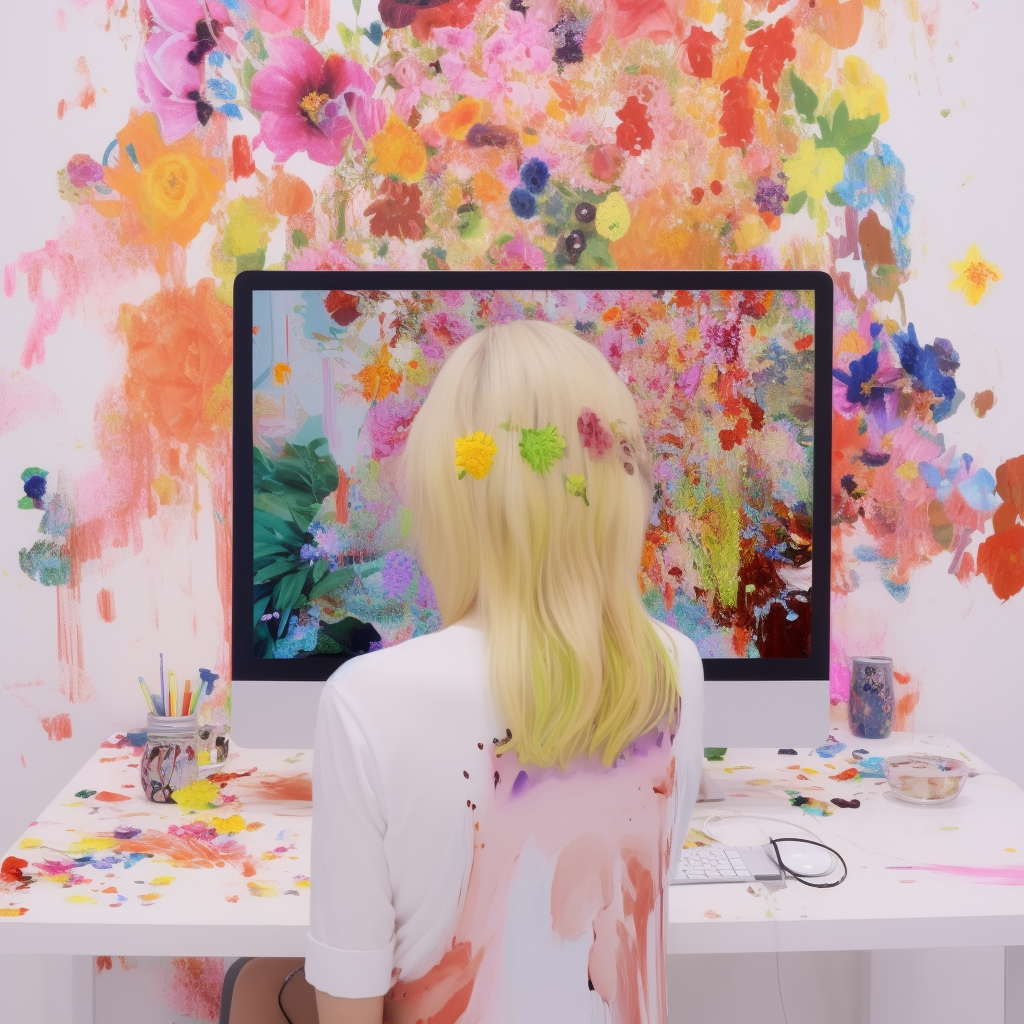
Post-Internet Art (2000s-present):
Post-Internet Art is a term used to describe art that is influenced by and responds to the digital age and the pervasive presence of the internet. Artists working in this movement, such as Cory Arcangel, Petra Cortright, and Amalia Ulman, often incorporate digital imagery, social media, and online platforms into their work, reflecting on the impact of technology on contemporary life and culture.
Post-Internet Art, a term that emerged in the 2000s, encompasses a wide range of artistic practices that engage with the internet and digital technologies as both a subject and a medium. As the internet has become an integral part of everyday life, Post-Internet artists explore its impact on society, culture, and personal identity. This movement often blurs the boundaries between traditional art forms and digital media, creating hybrid works that reflect the complexities of the digital age.
Some key aspects and themes of Post-Internet Art include:
- The online-offline divide: Post-Internet artists often examine the relationship between the online and offline worlds, exploring how digital technology and internet culture have transformed the way we experience reality. This can manifest in works that exist both online and in physical spaces, or through art that combines digital and analog elements.
- Remix and appropriation: Many Post-Internet artists engage with remix culture, appropriating digital images, videos, or other content found online and repurposing them in new contexts. This approach often involves questioning notions of originality, authorship, and copyright in the digital age.
- Social media and self-presentation: Post-Internet Art frequently addresses the impact of social media on personal identity, exploring how online platforms shape the way we present ourselves and interact with others. Artists like Amalia Ulman and Petra Cortright create works that interrogate the performative nature of social media and the construction of digital personas.
- Internet aesthetics: Post-Internet Art often incorporates visual elements and aesthetics associated with internet culture, such as low-resolution images, pixelation, glitch effects, and meme formats. By incorporating these visual tropes, artists comment on the ubiquity of digital imagery and the impact of the internet on visual culture.
- Virtual spaces and digital environments: Some Post-Internet artists create works that exist solely in virtual spaces or digital environments, such as online galleries, virtual reality experiences, or digital games. These artists explore the possibilities and limitations of digital spaces as platforms for artistic expression and critique.
- Networked culture and connectivity: Post-Internet Art often examines the ways in which digital technology has fostered global connectivity and the sharing of information, addressing themes such as surveillance, privacy, and the power dynamics inherent in networked culture.
- The materiality of the digital: Post-Internet artists also investigate the materiality of digital technology and the internet, considering the physical infrastructure that underpins our digital experiences, such as servers, cables, and electronic waste.
As a movement, Post-Internet Art is continually evolving, reflecting the rapid pace of technological change and the ongoing impact of the internet on contemporary life. By engaging with digital culture and technology, Post-Internet artists challenge traditional art forms and offer new perspectives on the ways in which the internet has transformed society, culture, and personal identity.
These iconic art movements of the 20th and 21st centuries represent the incredible diversity, creativity, and innovation that has defined the art world in recent times. By challenging traditional norms and embracing new ideas, these movements have reshaped our understanding of art and its role in society, leaving an indelible mark on the history of artistic expression.


Leave a Reply