

Deciphering the Brushstrokes of History and Projecting the Palette of the Future
Art – it’s more than just a pretty picture or a melody that gets stuck in your head. It’s an integral part of our society, a catalyst for change, a mirror reflecting our collective joys, fears, hopes, and dilemmas. Today, we’ll explore the role of art in society, from the caves of the prehistoric era to the digital galleries of the 21st century and beyond.
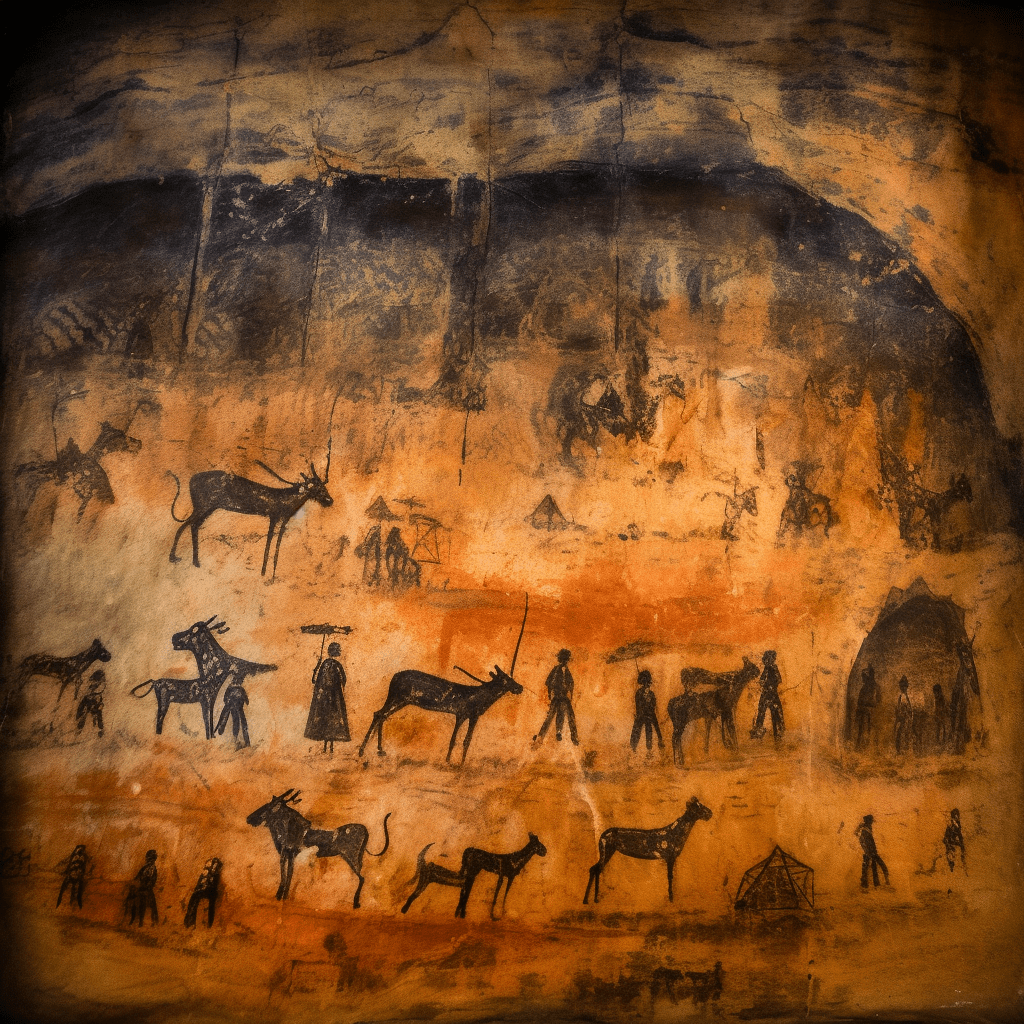
Ancient times: Art in ancient times was deeply intertwined with spiritual and practical aspects of life. Cave paintings in Lascaux, France, depicted animals and hunting scenes, possibly serving a ritualistic purpose to ensure a successful hunt. It was believed that capturing the essence of an animal in a painting would invoke divine favor. This reflects the fundamental human belief in a connection between the physical and spiritual worlds. Similarly, the majestic pyramids of Egypt weren’t merely grand structures; they were the pharaohs’ stairway to eternity, their conduit to the afterlife. Every meticulous carving and inscription in ancient structures held profound religious and ideological significance, manifesting the society’s beliefs and aspirations.

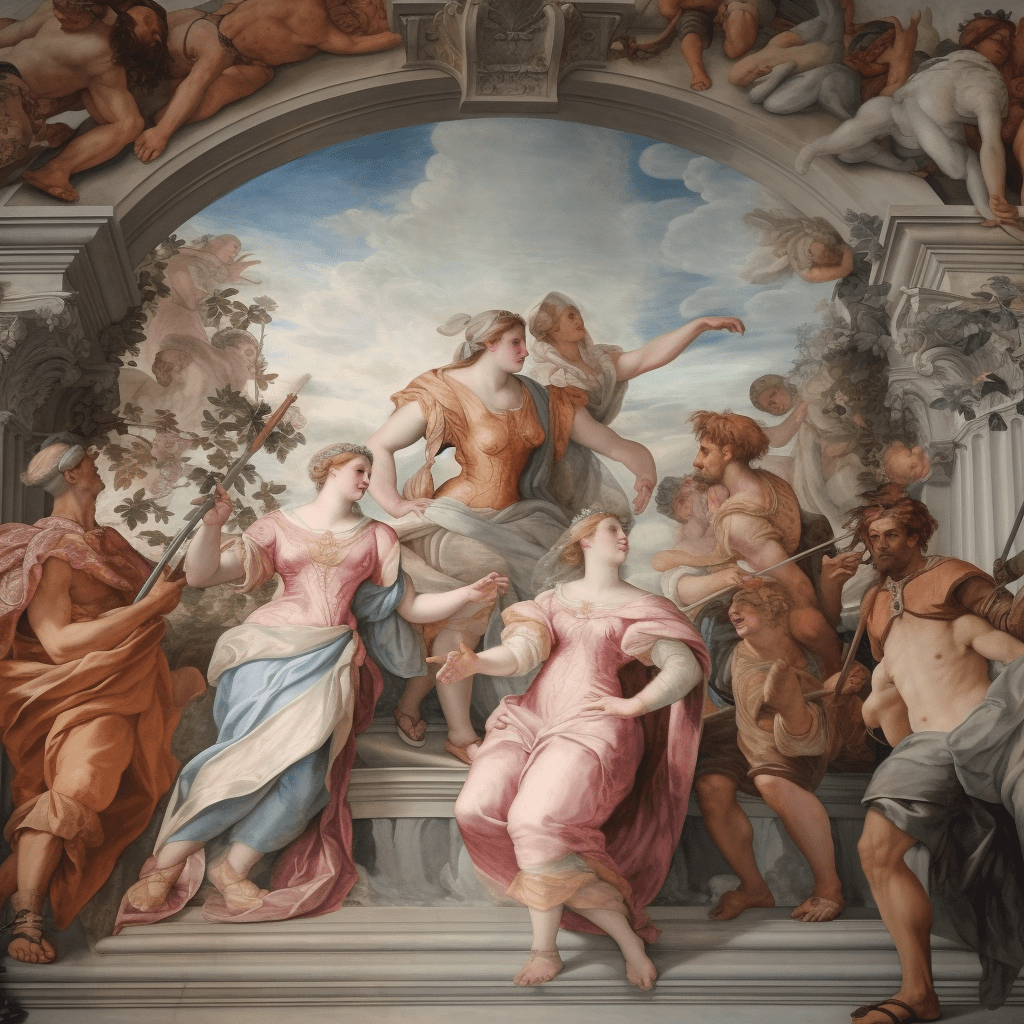
Renaissance to Modern era: As societies evolved, so did the role of art. The Renaissance period witnessed a resurgence of interest in classical ideals of beauty, proportion, and realism. Art became a tool for exploring scientific principles, human anatomy, and spatial perspectives. Artists like Leonardo da Vinci were as much scientists as they were artists. By the time we moved into the modern era, art had evolved to take on a socio-political dimension. It became a platform for social commentary and protest. Francisco Goya’s ‘The Disasters of War’ and Picasso’s ‘Guernica’ stand as chilling testimonies of war atrocities, employing shockingly raw visuals to convey the brutalities that words often fail to capture.
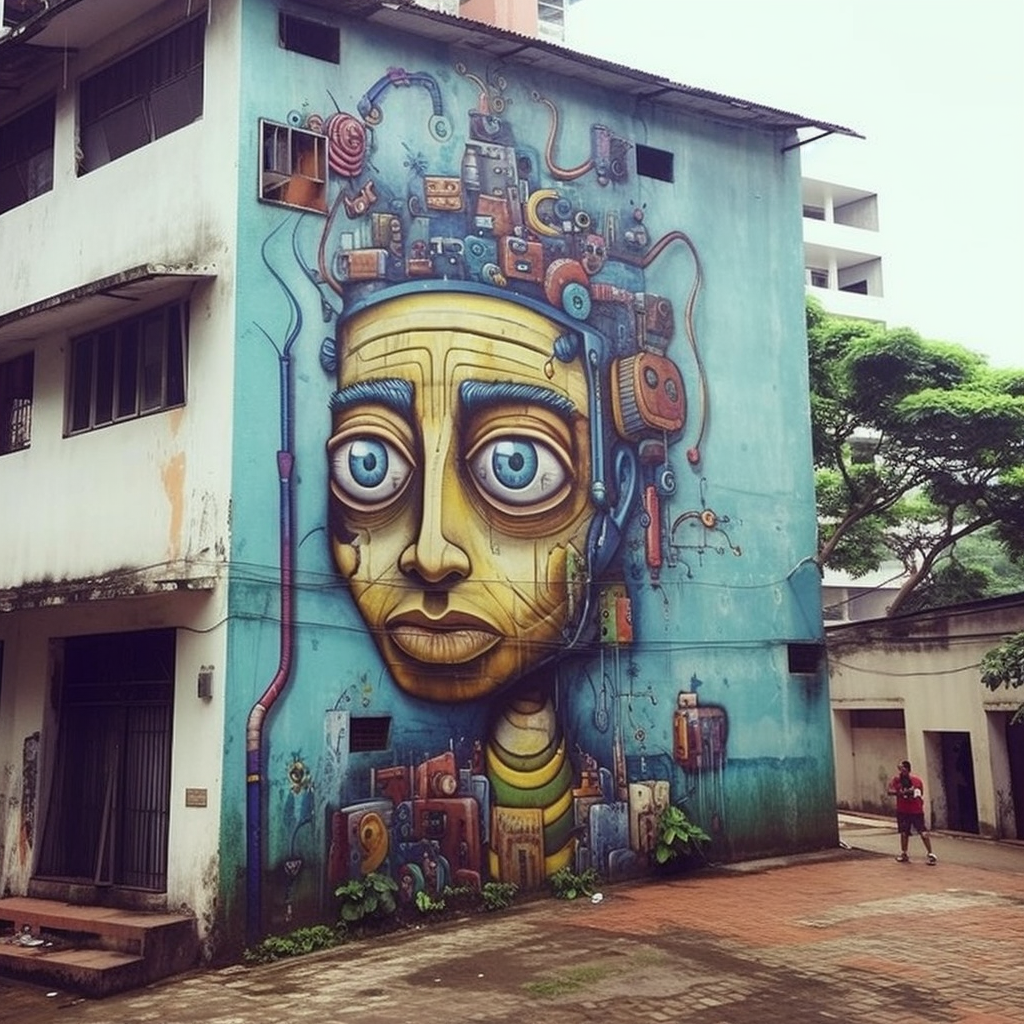
Present: Today, art is omnipresent, weaving itself into the fabric of our daily lives, shaping and reflecting societal trends. It’s a channel for personal expression, a catalyst for discourse, and a driver of social change. Street art, for instance, has been a powerful tool for voicing dissent and sparking dialogue on social issues. It’s also been a critical element in branding, with artists like Shepard Fairey designing iconic posters for political campaigns. Moreover, art therapies have found a place in mental health practices, offering therapeutic and healing benefits.
Future: As we edge into the future, the intersection of art and technology is creating fascinating possibilities. AI is challenging our very definition of art and creativity. Are machines capable of creating art? Is a painting still a painting if the brush is held by a robotic arm? AI-generated artworks, like those created by the algorithm GAN (Generative Adversarial Network), are posing these intriguing questions. Moreover, virtual and augmented reality technologies are opening up new frontiers in art, enabling immersive experiences that push the boundaries of traditional art forms. Artists are creating multi-sensory virtual environments that challenge our perceptions and provoke new levels of engagement.

From its mystical origins to its ever-evolving future, art has been and continues to be a vital thread in the tapestry of human society. It’s more than just a product of creativity; it’s a testament to our collective consciousness, a mirror reflecting our past, shaping our present, and illuminating our future.

In a society that often feels increasingly polarized and fragmented, art also has a crucial role to play in fostering empathy, understanding, and unity. It transcends language barriers, cultural differences, and socio-economic divisions, allowing us to connect with each other on a deeply human level.
So, let’s celebrate art, in all its forms and facets. Let’s appreciate it not just for its beauty, its creativity, or its innovation, but also for its power to reflect, to challenge, and to unite. Because in the end, art is not just a part of society – it is the heart of society.
 The Cultured Cactus: Cultivating a Balanced and Beautiful Life
Leave a comment