

Living with Less: Unveiling the Path to Serenity and Mental Clarity
Hello there, ‘Cacatus’ fans! Tired of tripping over the clutter in your life and mind? Do you find yourself yearning for a simpler existence, free from the noise of unnecessary belongings and commitments? Then, my friend, you might be ready to dip your toes into the serene pool of minimalism. Oh, and don’t worry, it’s not as cold as you might think!

Minimalism – The Art of Simplifying
Minimalism is like Marie Kondo on a philosophical level. But instead of joyfully chucking out that sweater from Aunt Gertrude that never fit right, you’re thoughtfully assessing what truly adds value to your life and discarding the rest. It’s about experiencing more joy, peace, and fulfillment by having less – less stuff, less stress, and less distraction.
Now, don’t get me wrong, I’m not suggesting you to get rid of all your worldly possessions and live like a hermit in a barren cave. That might be a touch too extreme (unless you’re into that sort of thing). Rather, minimalism is about creating space for what truly matters to you.
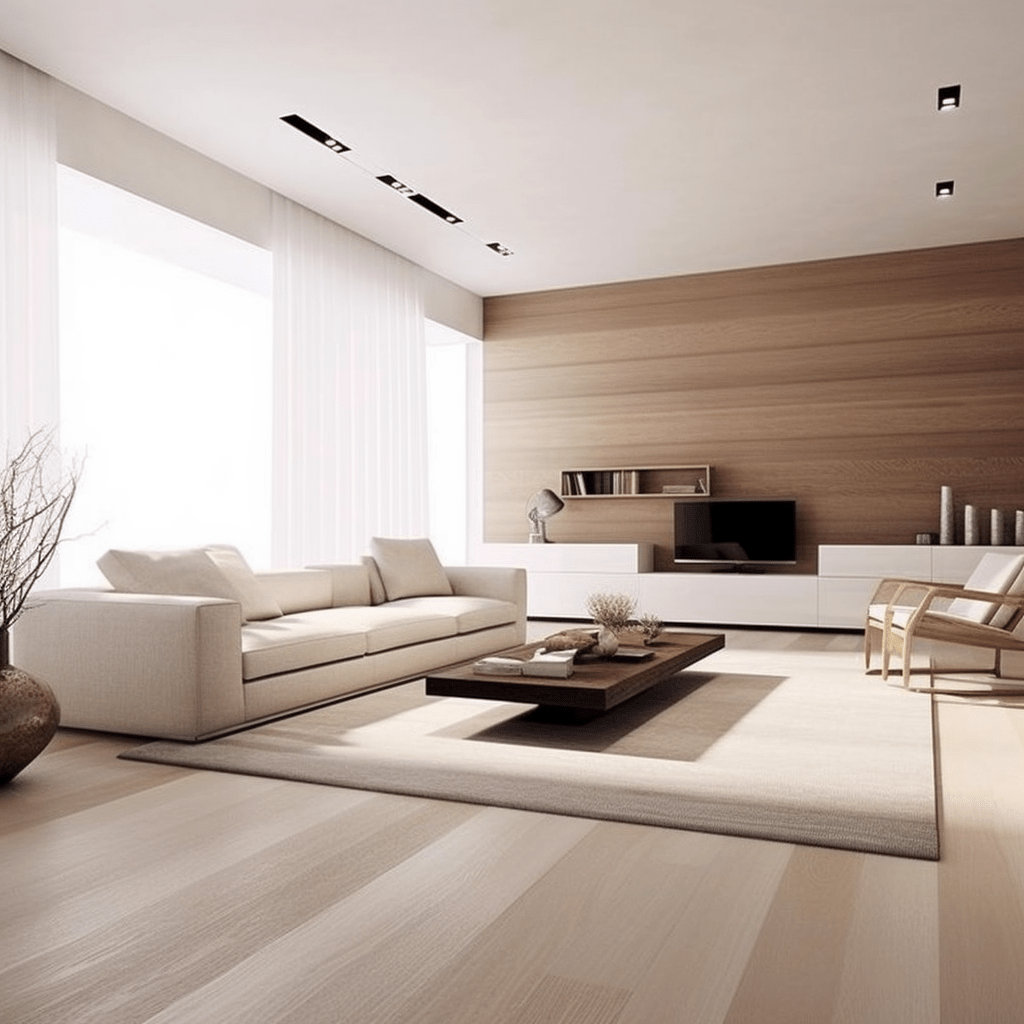
But why should you care about minimalism, you ask? Well, apart from the fact that it can be incredibly liberating, it turns out that this less-is-more lifestyle can work wonders for your mental health. Let’s delve into how, shall we?
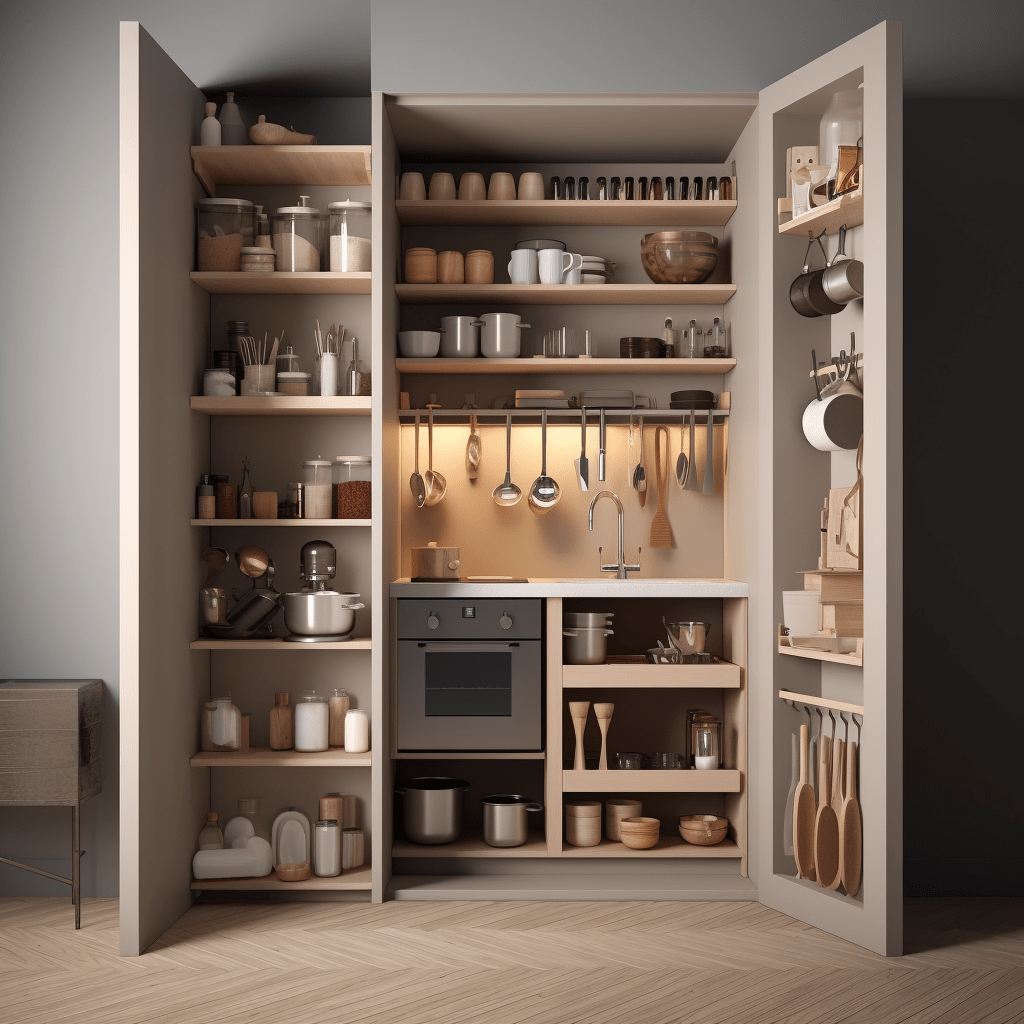
Minimalism and Mental Health – Less Really is More
Studies have shown that clutter can lead to stress, anxiety, and even depression. It’s like a physical manifestation of mental clutter, draining your energy and attention. Minimalism, by reducing this clutter, can help alleviate these symptoms. Here’s how:
• Reduced Anxiety: Less clutter means fewer stimuli vying for your attention. This can result in lower anxiety levels and a calmer mind.
• Improved Focus: By reducing distractions, minimalism can help improve focus and productivity. Who knew a clean desk could make you a genius, right?
• Increased Happiness: Minimalism encourages us to find value in experiences and relationships, rather than material possessions, leading to genuine happiness.
• Greater Self-Esteem: Minimalism focuses on self-fulfillment rather than societal expectations, which can boost self-esteem.
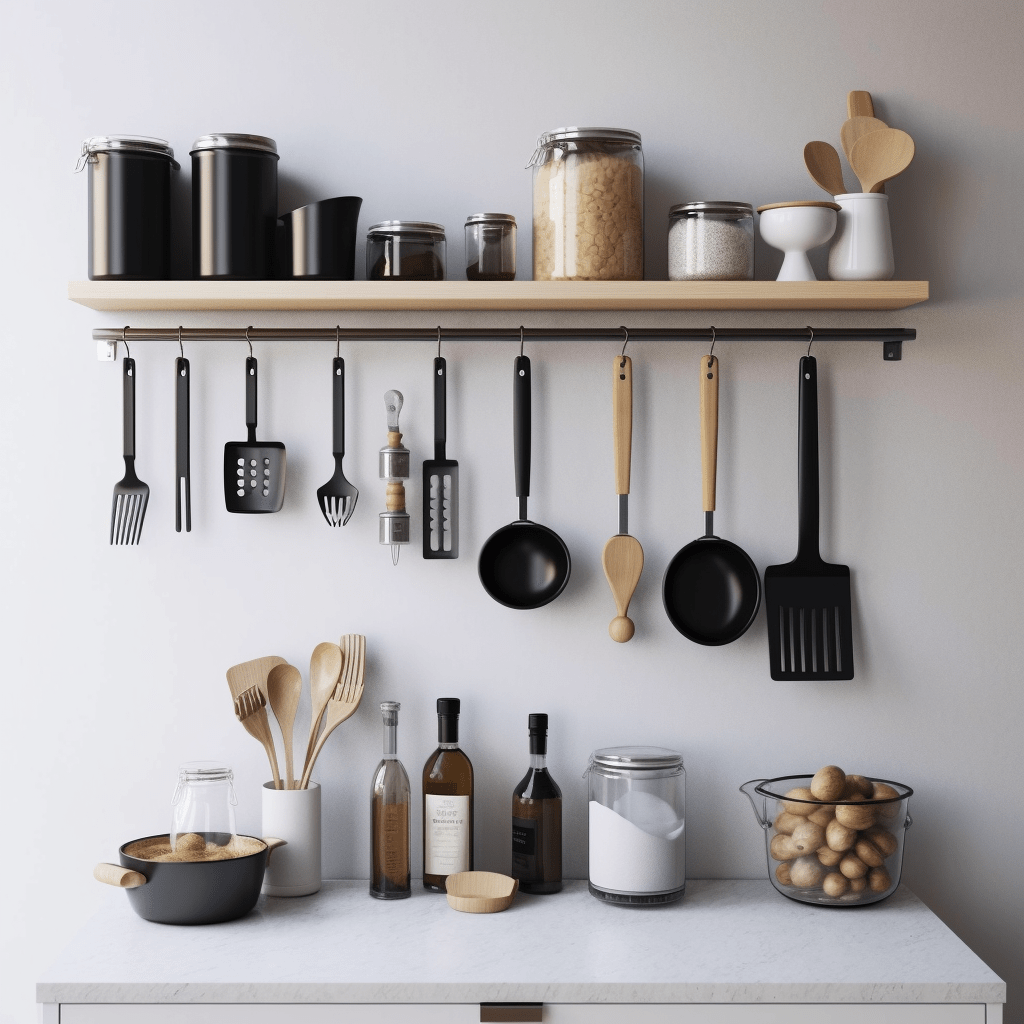
Becoming a Minimalist: The Road to Mental Wellbeing
If this sounds like your cup of calming chamomile tea, here’s how you can incorporate minimalism into your life:
• Declutter Your Space: Start by decluttering your living environment. Remember, it’s not about the number of items you discard, but their impact on your peace of mind.
• Be Mindful of Your Purchases: Before buying anything new, ask yourself whether it will add value to your life.
• Prioritize Quality Over Quantity: Choose a few high-quality items that last longer over a multitude of cheaper, lower-quality items.
• Embrace Experiences: Instead of material possessions, invest in experiences and memories. A hike in the woods beats another dust-gathering figurine any day!
So, are you ready to embrace less for more peace, joy, and mental wellbeing? Remember, minimalism isn’t about deprivation, it’s about liberation. Start small and notice the positive changes that come with this lifestyle. Your mental health will thank you! Stay tuned for more minimalist magic in our next blog post.
 The Cultured Cactus: Cultivating a Balanced and Beautiful Life
Leave a comment