

Navigating the Digital Gallery: Opportunities and Challenges in the Social Media Age
In recent years, social media has revolutionized the way we consume, share, and discover art. From Instagram to Twitter, these platforms have become indispensable tools for artists, curators, and art enthusiasts alike. But how has this digital phenomenon impacted the art world, and what does it mean for the future of creativity? In this blog post, we’ll dive into the influence of social media on artistic expression, opportunities, and challenges, and explore the ever-evolving relationship between art and technology.
Democratizing Art: From Elitism to Inclusivity
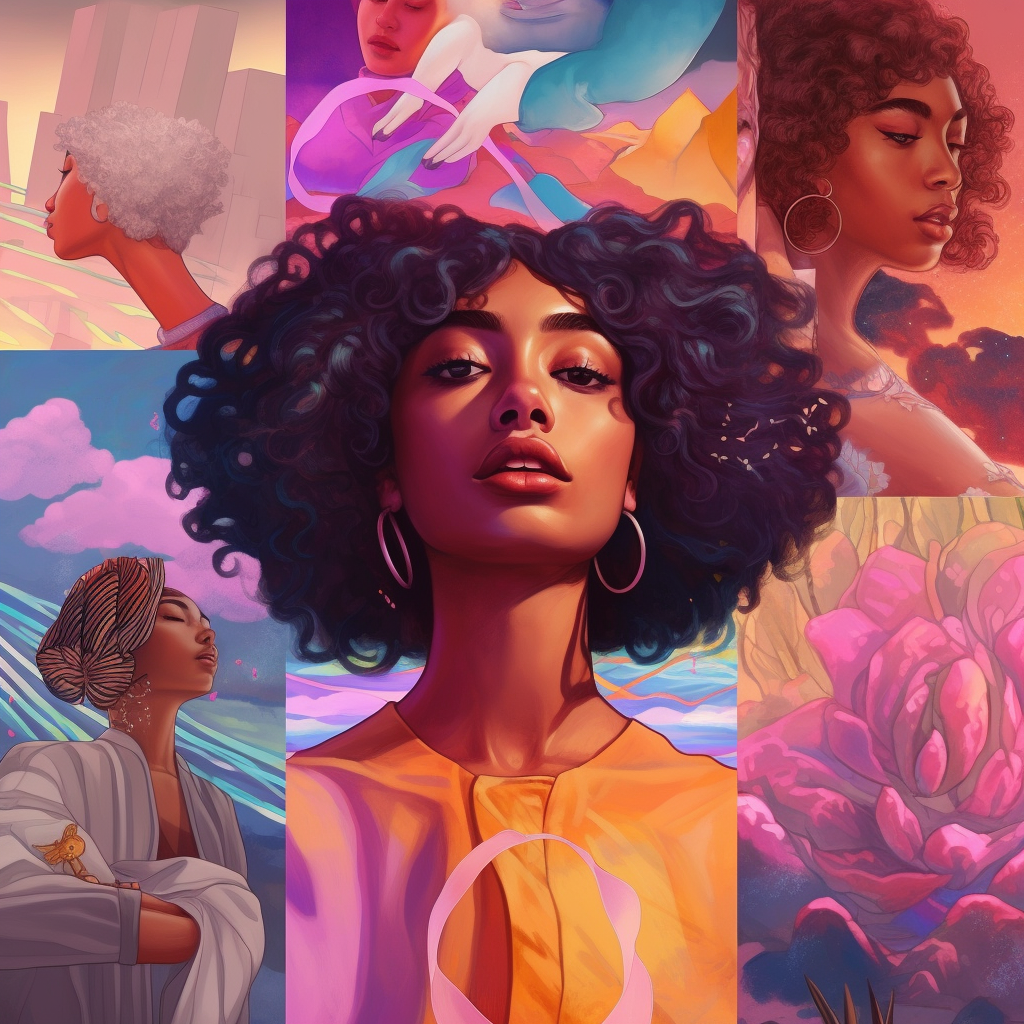
Social media has leveled the playing field in the art world, offering emerging artists an opportunity to showcase their work without the need for traditional galleries or agents. This democratization has led to a surge in diverse artistic voices, allowing art enthusiasts to discover new talent and engage with artists directly, fostering a more inclusive and accessible art community.
Visual Storytelling: The Rise of the Instagram Artist
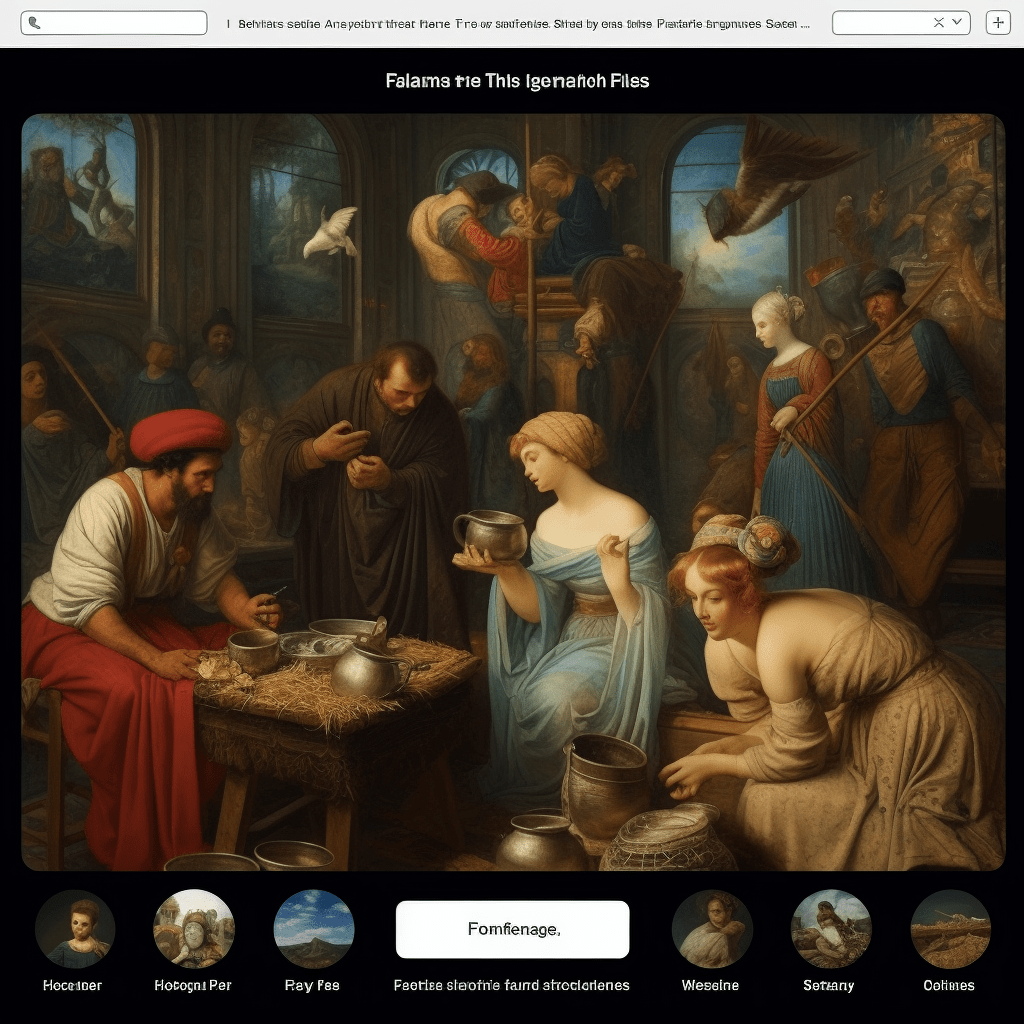
As a highly visual platform, Instagram has become a hotbed for artistic expression. With its emphasis on aesthetics and storytelling, the app encourages artists to share their work in new and innovative ways, sparking collaborations, trends, and viral sensations. The Instagram artist has emerged as a new breed of creative, adept at navigating the digital landscape and using social media to build a loyal following and a thriving career.
Hashtags and Algorithms: The Art of Discovering and Being Discovered
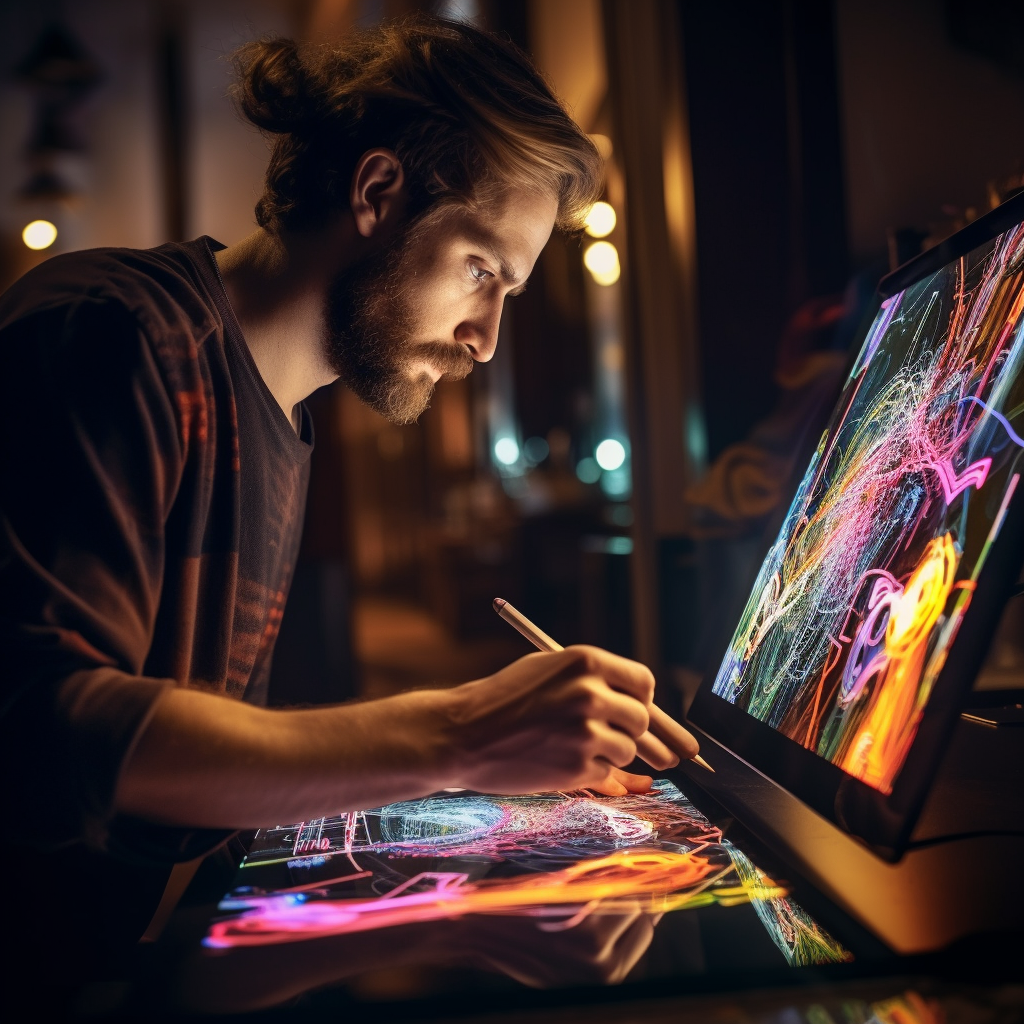
The use of hashtags and the ever-changing algorithms of social media platforms have transformed the way we discover and consume art. Curating our own virtual galleries through hashtags like #artoftheday or #contemporaryart, we can easily explore and connect with artists from around the globe. Meanwhile, algorithms are constantly learning our preferences, making personalized recommendations and exposing us to new artists and styles.
Digital Art and NFTs: The Future of Art Ownership?
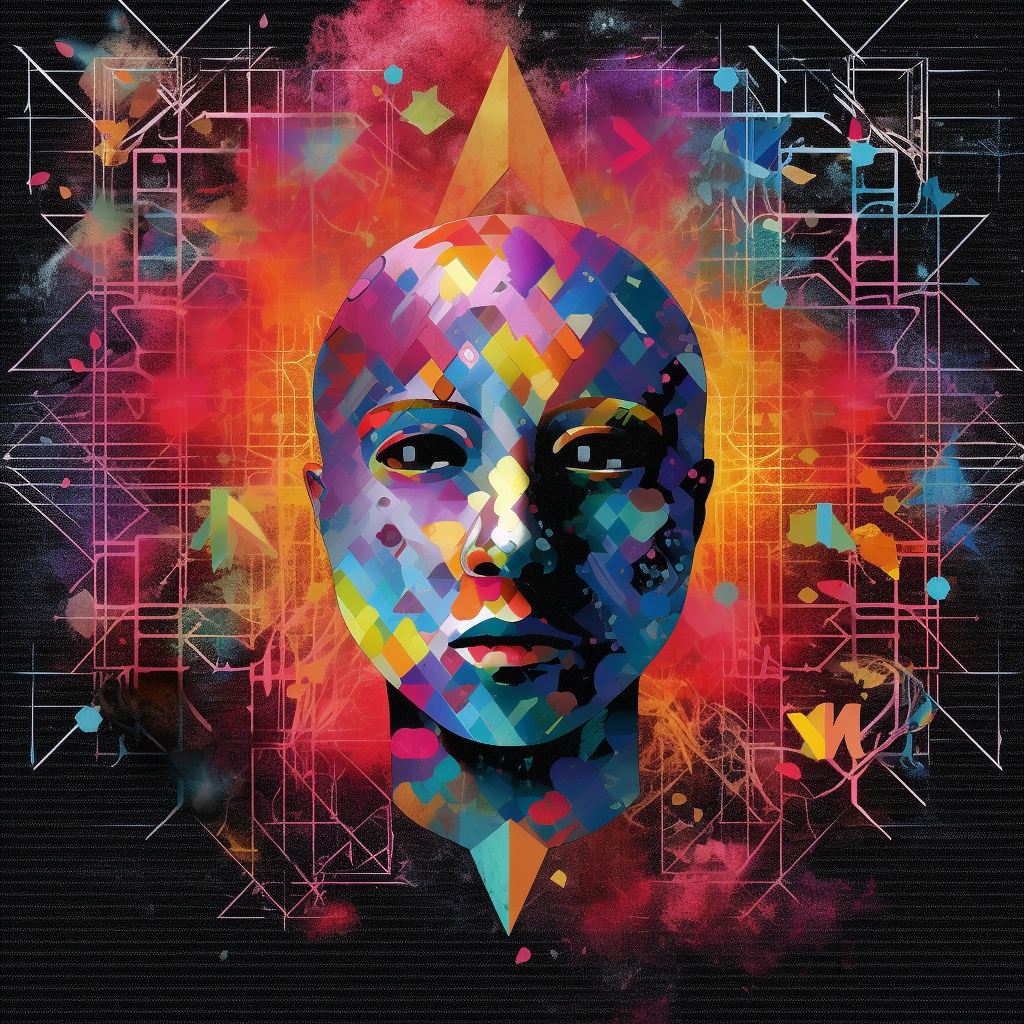
The rise of digital art and non-fungible tokens (NFTs) has disrupted the traditional art market, with social media playing a pivotal role in promoting and selling these cutting-edge creations. NFTs, which are unique digital assets stored on a blockchain, have brought about new opportunities for artists to monetize their work, and social media platforms have become essential for marketing and selling these innovative pieces.
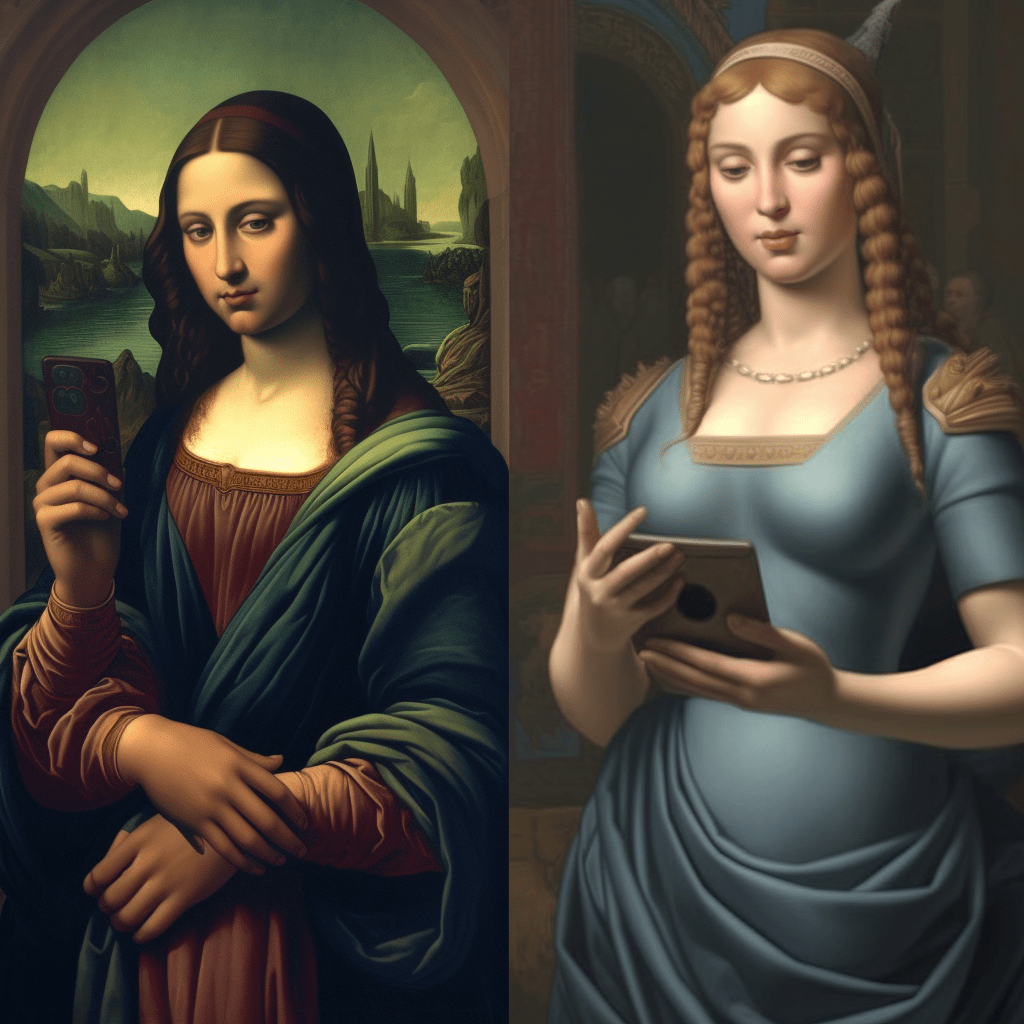
The Dark Side of Social Media: Plagiarism, Mental Health, and Commodification
Despite the numerous benefits, social media has also brought about some challenges for the art world. Instances of art theft and plagiarism are rampant, and the pressure to constantly create content and maintain an online presence can take a toll on artists’ mental health. Additionally, the commodification of art on social media can lead to a dilution of artistic integrity, with artists feeling pressured to cater to the tastes of their followers rather than pursuing their own creative vision.
In conclusion, social media has undeniably transformed the art world, offering artists new avenues for exposure, collaboration, and monetization, while also democratizing access to art and fostering a more inclusive and diverse community. As we continue to embrace and adapt to this digital revolution, it’s essential to recognize the challenges it poses and ensure that the art world remains a space for genuine expression, creativity, and innovation.
 The Cultured Cactus: Cultivating a Balanced and Beautiful Life
Leave a comment