

Creating Serenity and Functionality through Minimalist Design Principles
In a world of sensory overload and constant stimulation, the minimalist design movement has emerged as a refreshing antidote to clutter and chaos. With its clean lines, functional layout, and emphasis on simplicity, minimalism is an aesthetic that encourages us to pare down to the essentials, creating spaces that are both visually appealing and deeply functional.
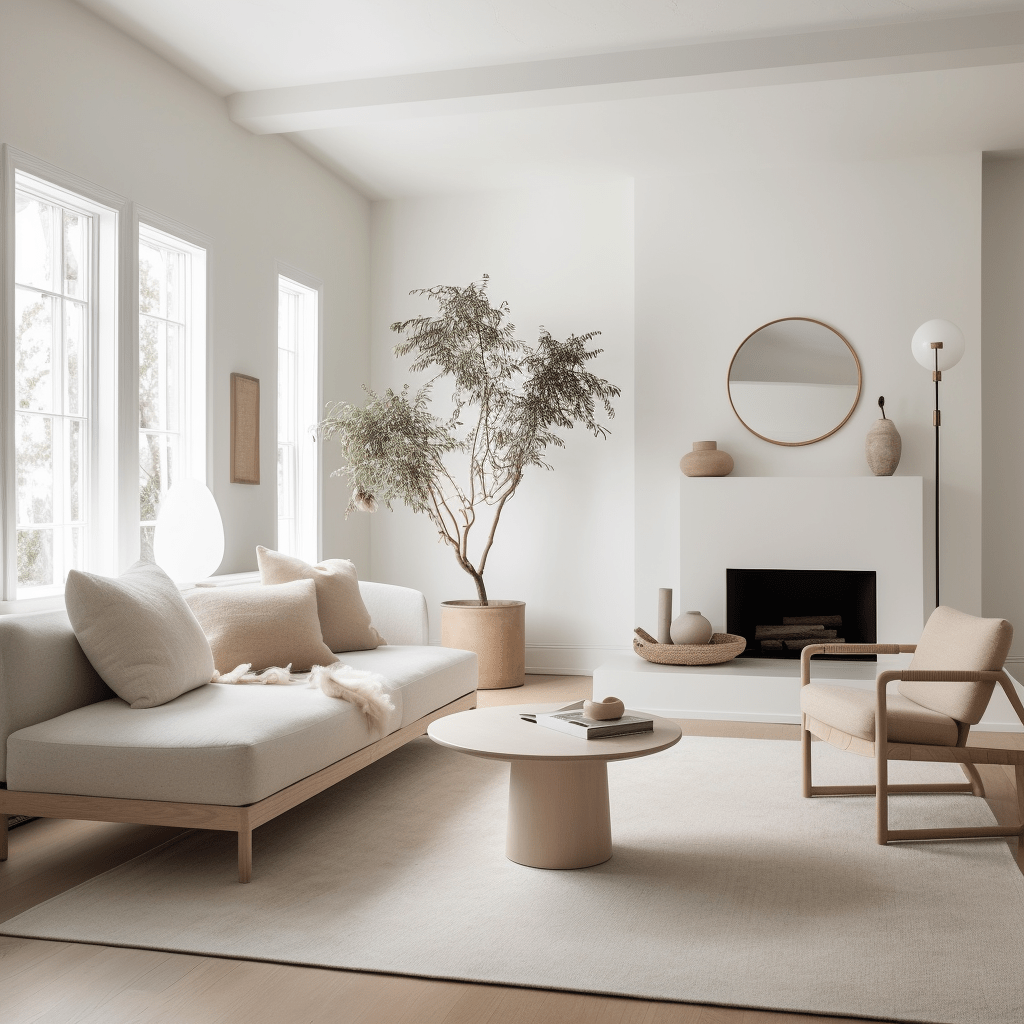
Here are some key principles of minimalist design to help you create a serene and uncluttered environment:
Focus on function: Minimalist design is all about prioritizing function over form. Start by identifying the essential elements needed for your space and eliminate any unnecessary items or decorations that don’t serve a clear purpose.
Use a limited color palette: Stick to a neutral, monochromatic, or muted color palette to create a sense of calm and cohesion. The use of simple colors also helps to draw attention to the form and function of the objects in the space.
Embrace negative space: In minimalist design, empty or negative space is just as important as the objects themselves. Give your items room to breathe by avoiding overcrowding and maintaining ample space between furnishings.
Opt for simple, clean lines: Minimalism favors geometric shapes and straight lines, which can create a sense of order and harmony in your space. Choose furniture and décor with clean, unadorned lines for a sleek and timeless look.
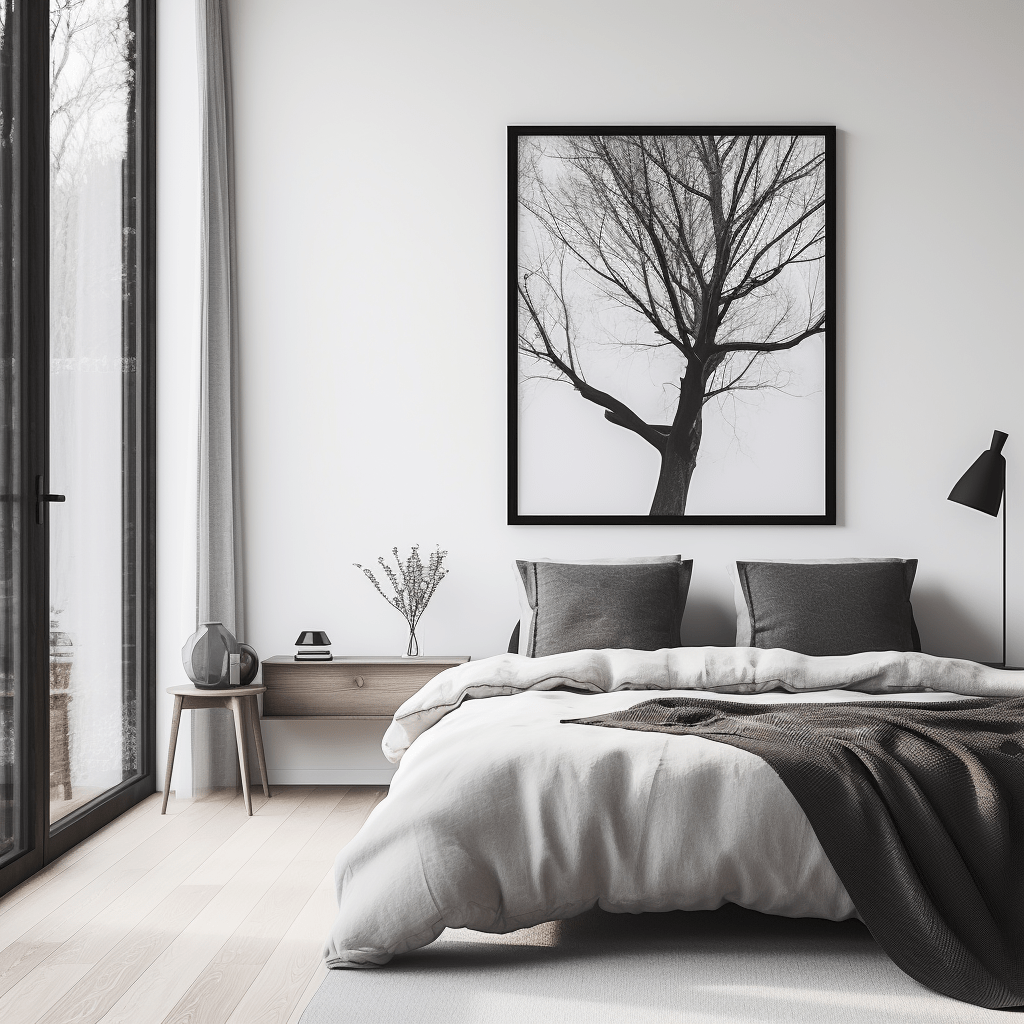
Prioritize quality over quantity: When it comes to minimalist design, less is truly more. Invest in high-quality, well-crafted pieces that will stand the test of time, and resist the urge to fill your space with unnecessary objects.
Bring in natural elements: Incorporate natural materials like wood, stone, or plants into your design to create a sense of warmth and tranquility. These elements can also help to soften the starkness of a minimalist space.
Keep it clutter-free: A clutter-free environment is the cornerstone of minimalist design. Regularly declutter your space and keep surfaces clear, using clever storage solutions to keep items organized and out of sight.
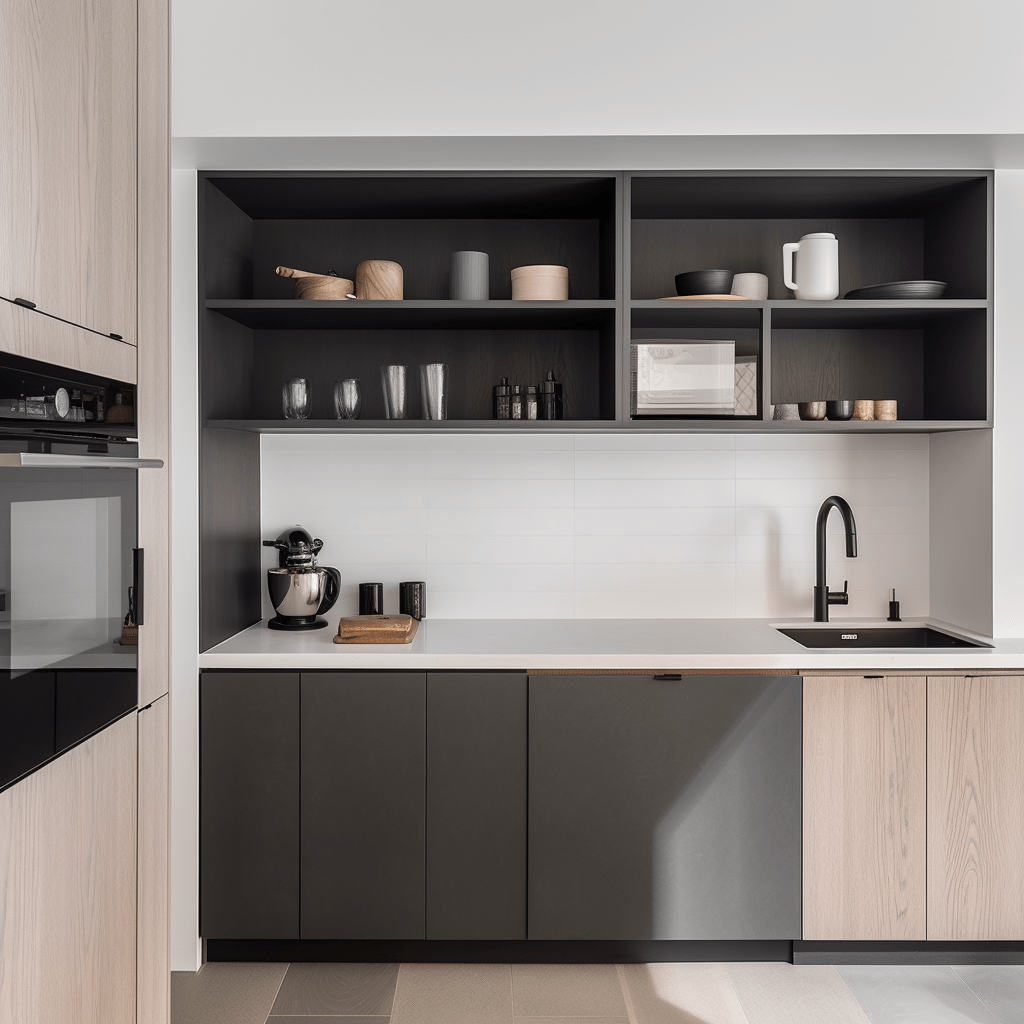
Choose a focal point: Minimalist design benefits from having a single, striking focal point in a room. This can be a piece of artwork, a statement piece of furniture, or an architectural feature. Allow this focal point to take center stage and keep the surrounding area uncluttered.
Incorporate texture: To prevent your minimalist space from feeling too sterile or cold, introduce different textures through textiles, furniture materials, and finishes. This can add depth and visual interest while still maintaining a clean and simple aesthetic.
Use natural light: Make the most of natural light by using sheer window treatments or removing window coverings altogether. Natural light can make a minimalist space feel more open, spacious, and inviting.
Streamline your artwork: When choosing artwork for a minimalist space, opt for pieces with simple, abstract designs or monochromatic color schemes. Keep frames simple and consistent in style to maintain visual cohesion.
Create balance and symmetry: Arrange your furniture and décor in a way that creates balance and symmetry in the space. This can provide a sense of order and harmony, which is essential in minimalist design.
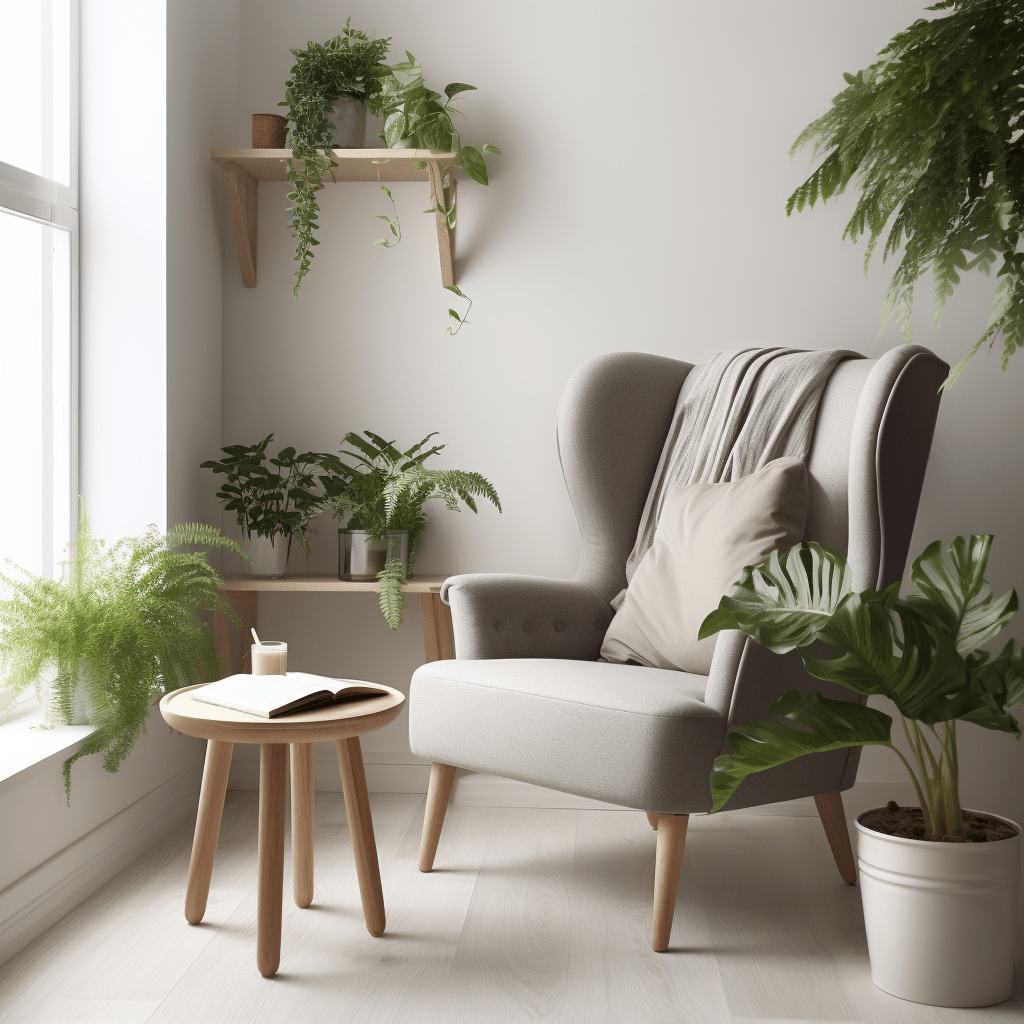
Opt for multi-functional furniture: In minimalist design, every piece should serve a purpose. Choose furniture that doubles as storage or can be easily reconfigured to accommodate different uses, such as a sofa bed or a dining table with built-in storage.
Use repetition and rhythm: Create a sense of unity and cohesion in your space by repeating key design elements, such as color, shape, or texture, throughout the room.
Pay attention to scale: Be mindful of the size and proportion of the items in your space. Select furnishings and décor that are appropriately scaled for the room to maintain a sense of balance and proportion.
Keep patterns to a minimum: In minimalist design, simplicity is key. Avoid using overly busy patterns, and instead opt for subtle textures or simple, geometric patterns to add visual interest.
Stick to a single style: When incorporating minimalist design principles, it’s important to maintain a consistent aesthetic. Choose a single design style and stick to it throughout your space to create a cohesive and harmonious look.
Add personality with statement pieces: While minimalist design is all about simplicity, it doesn’t have to be devoid of personality. Incorporate a few carefully selected statement pieces that reflect your personal taste and style.
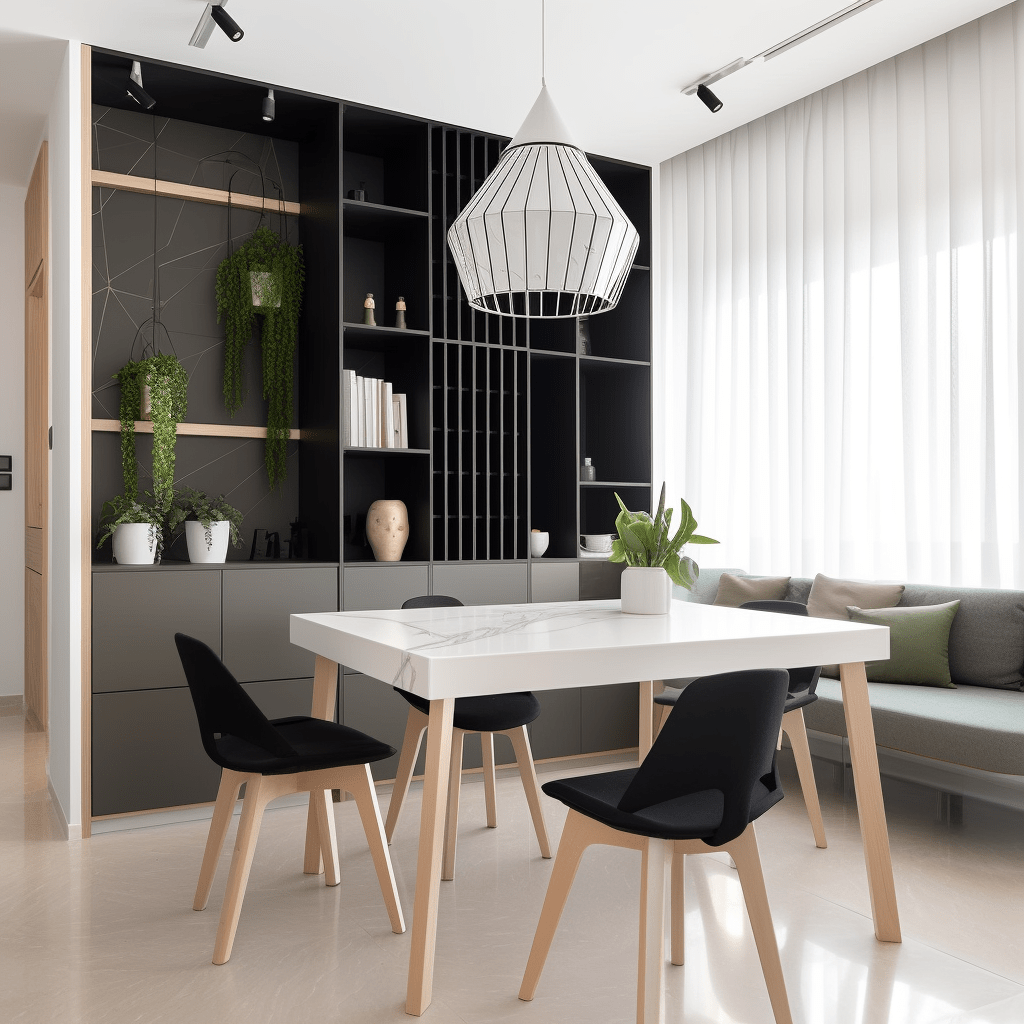
Implement a “less is more” mentality: As you design your minimalist space, remember that the goal is to create an environment that is both functional and visually appealing. Resist the temptation to over-decorate or add unnecessary items, and instead focus on creating a space that is calm, clutter-free, and thoughtfully curated.
Focus on sustainability: Minimalist design can be an opportunity to prioritize sustainable and eco-friendly choices. Opt for furniture made from responsibly sourced materials, choose energy-efficient lighting, and incorporate plants to improve air quality and bring a touch of nature into your space.
By incorporating these principles into your design approach, you can create a space that is both visually stunning and deeply functional. Embrace the beauty of simplicity and discover how less can truly be more in the world of minimalist design.
 The Cultured Cactus: Cultivating a Balanced and Beautiful Life
Leave a comment