
Unlock the Health, Environmental, and Ethical Advantages of Plant-Based Living in Just One Week
Are you curious about the plant-based lifestyle but not sure where to start? Diving into a plant-based diet for just one week can be an eye-opening experience, providing insight into the numerous health, environmental, and ethical benefits that come with this way of living. Whether you’re dipping your toes in the plant-based waters or seeking a temporary change to invigorate your regular diet, this seven-day journey might leave you pleasantly surprised and inspired by the positive impact plant-based living can have on your life and the world around you.
Health Benefits:
- Improved digestion: Plant-based diets are rich in fiber, which supports digestion and helps prevent constipation. Increased energy: The nutrient-dense nature of plant-based foods can lead to increased energy levels throughout the day.
- Better heart health: A plant-based diet may help lower cholesterol levels and reduce the risk of heart disease.
- Weight management: Plant-based diets tend to be lower in calories and saturated fat, which can help with weight loss or maintenance.
- Improved blood sugar control: Consuming plant-based foods can help stabilize blood sugar levels, reducing the risk of type 2 diabetes.

Environmental Benefits:
- Reduced carbon footprint: Plant-based diets generate fewer greenhouse gas emissions than meat-based diets, helping combat climate change.
- Water conservation: Producing plant-based foods requires less water than animal agriculture, reducing overall water consumption.
- Land preservation: Plant-based diets require less land for food production, helping preserve natural habitats and prevent deforestation.
Ethical Benefits:
- Animal welfare: Choosing plant-based foods for a week can help reduce the demand for animal products, promoting a more compassionate and ethical approach to food production.
- Sustainable farming: Supporting plant-based agriculture encourages sustainable farming practices, which can have a positive impact on the environment and local communities.
Personal Growth and Culinary Exploration:
- Developing healthier habits: Going plant-based for a week can inspire you to incorporate more whole foods and plant-based ingredients into your regular diet.
- Expanding your palate: A week of plant-based eating can be an opportunity to discover new recipes, flavors, and ingredients, enriching your culinary experience.
Easy Transition Tips for Your Plant-Based Week:
- Plan your meals: To make the transition to plant-based eating smoother, plan your meals ahead of time. This will help you avoid the temptation of convenience foods and make it easier to stick to your plant-based goals.
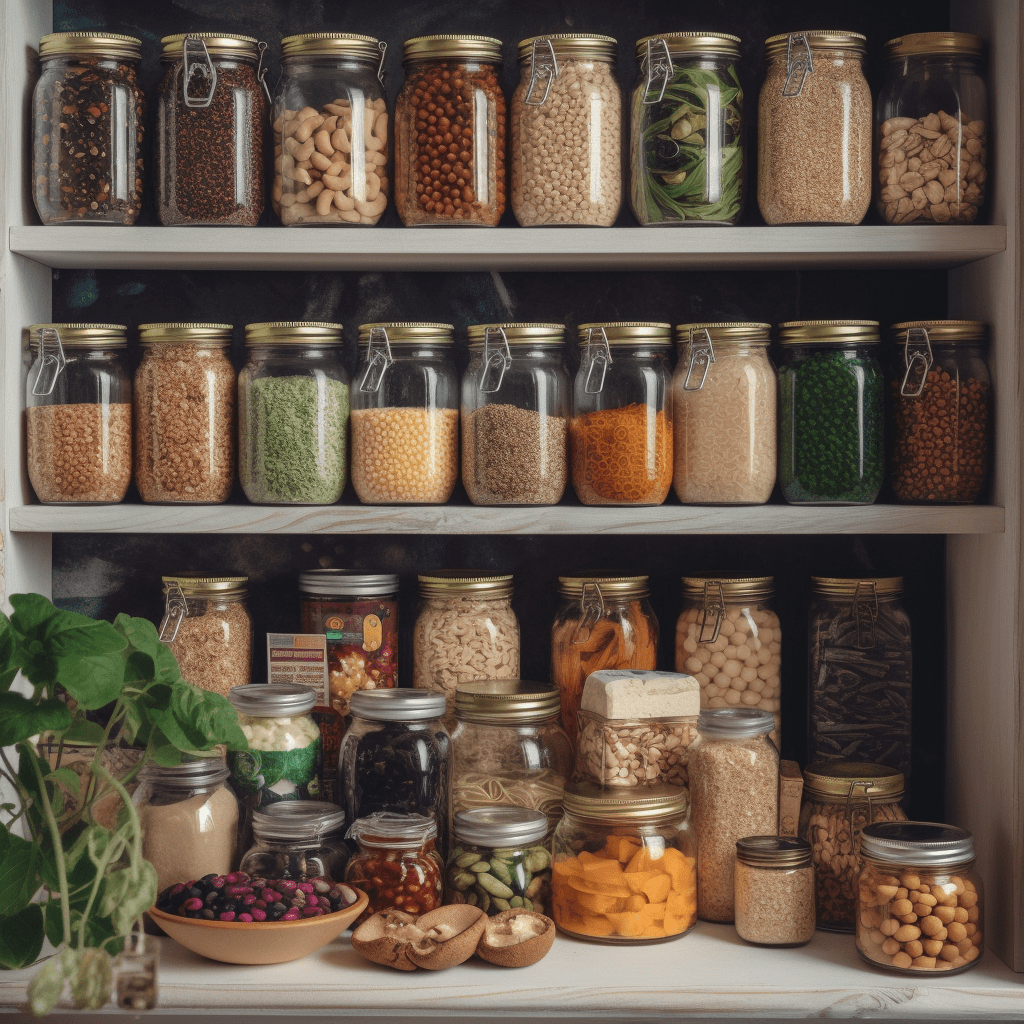
- Stock your pantry: Fill your kitchen with a variety of plant-based ingredients, such as whole grains, legumes, fruits, vegetables, nuts, seeds, and plant-based proteins like tofu and tempeh.
- Explore plant-based alternatives: Try plant-based versions of your favorite foods, like non-dairy milk, plant-based meats, and vegan cheese, to help satisfy cravings and ease the transition.
- Focus on nutrient-dense foods: Ensure you’re getting all the necessary nutrients by incorporating a diverse array of plant-based foods into your meals, including protein sources like beans, lentils, and quinoa.
- Learn new recipes: Research plant-based recipes and experiment with new ingredients to keep your meals interesting and delicious throughout the week.

How to Keep the Momentum Going:
- Reflect on your experience: After your week of plant-based eating, reflect on how you felt physically and mentally. Consider any noticeable changes in your energy, digestion, and overall well-being.
- Set achievable goals: If you’d like to continue incorporating plant-based meals into your life, set realistic goals that work for your lifestyle, such as committing to a certain number of plant-based meals per week or participating in “Meatless Mondays.”
- Connect with a community: Join online forums or social media groups dedicated to plant-based living for inspiration, support, and camaraderie.
- Continue to educate yourself: Keep learning about the benefits of plant-based eating, and stay informed about new products, research, and developments in the plant-based world.
- Celebrate your successes: Acknowledge and celebrate the positive changes you’ve made by embracing plant-based living, whether for a week or beyond. Your choices have the potential to make a meaningful impact on your health, the environment, and animal welfare.
Overcoming Common Challenges:
- Dealing with cravings: During your plant-based week, you might experience cravings for non-plant-based foods. To tackle these cravings, identify plant-based alternatives that can provide a similar taste or texture, or try to satisfy your cravings with healthier, plant-based options.
- Eating out: Research local restaurants that offer plant-based options or consult online resources like HappyCow to find vegan and vegetarian-friendly establishments in your area. Many restaurants are becoming more accommodating of dietary preferences, so don’t hesitate to ask for modifications to suit your plant-based needs.
- Meal prep and cooking: Cooking plant-based meals may require learning new techniques or trying unfamiliar ingredients. Set aside time for meal preparation and experiment with various cooking methods, like roasting, steaming, or sautéing, to bring out the natural flavors of plant-based foods.
- Ensuring variety and balance: A well-rounded plant-based diet requires incorporating a variety of foods to obtain all essential nutrients. Focus on consuming different types of fruits, vegetables, grains, legumes, nuts, and seeds to ensure a balanced and enjoyable diet.

Sharing Your Experience with Others:
- Document your journey: Share your plant-based week on social media, through a blog, or by talking to friends and family. This not only creates accountability for yourself but also helps to inspire others to explore plant-based living.
- Engage in conversations: Use your plant-based week as an opportunity to engage in meaningful conversations with others about the benefits and challenges of this lifestyle. Share your experiences and learn from the perspectives of others.
- Host a plant-based potluck: Invite friends or family members to a plant-based potluck or dinner party. This encourages others to experiment with plant-based recipes and helps create a supportive community around your lifestyle choices.
Assessing the Impact:
- Environmental impact: Calculate your environmental impact after your plant-based week by using online tools like the Environmental Working Group’s Food Impact Calculator. This can help you understand the positive effects your dietary choices have on the environment.
- Health impact: Track any changes in your physical or mental well-being throughout the week. Take note of improvements in energy levels, digestion, or other aspects of your health that you might attribute to your plant-based choices.
- Financial impact: Compare your grocery expenses during your plant-based week to your typical spending. Plant-based diets can be more cost-effective, as staple ingredients like grains and legumes are generally less expensive than animal-based products.
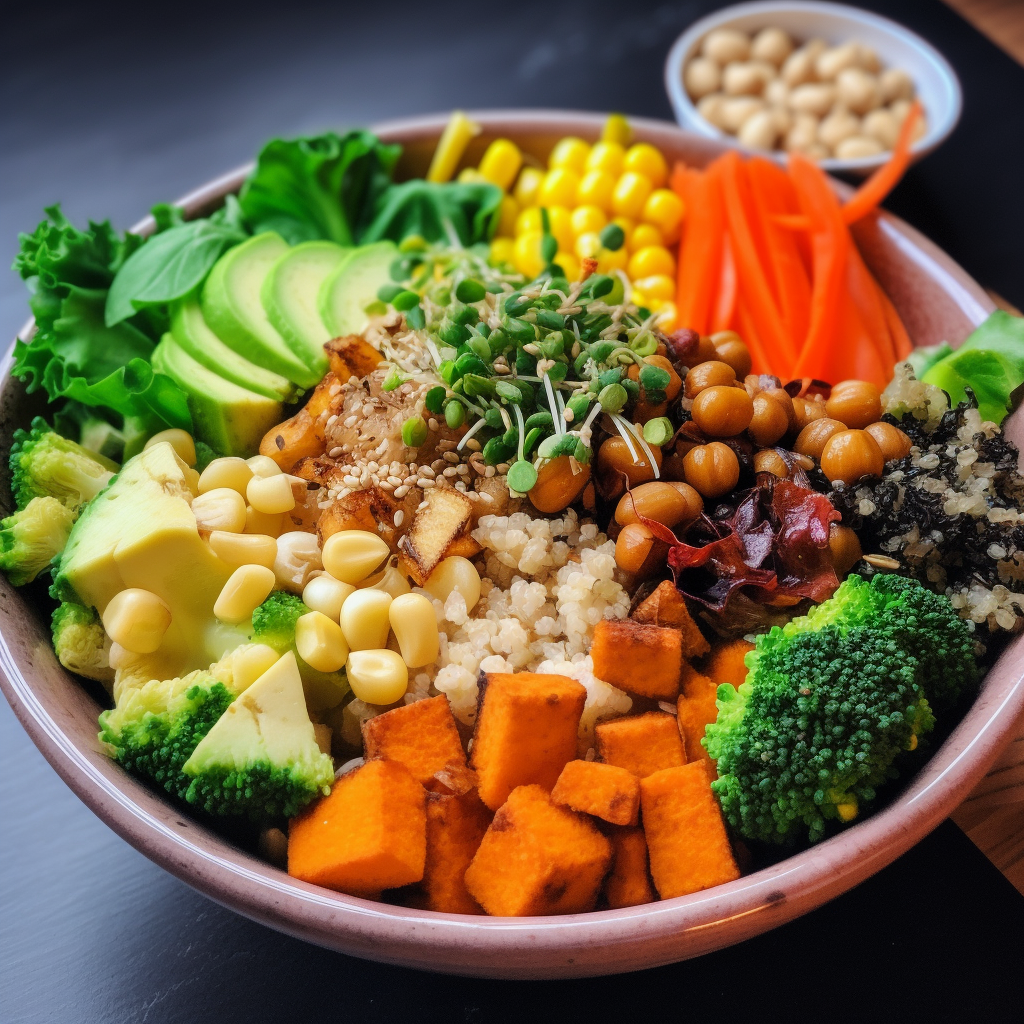
Here’s a meal plan for each day of the week, featuring a variety of plant-based dishes:
Day 1:
- Breakfast: Overnight oats with almond milk, chia seeds, mixed berries, and a drizzle of maple syrup
- Lunch: Chickpea salad with mixed greens, cucumber, tomatoes, bell peppers, and lemon-tahini dressing
- Dinner: Lentil and vegetable curry served over brown rice
- Snack: Apple slices with almond butter
Day 2:
- Breakfast: Green smoothie with spinach, banana, mango, flaxseeds, and almond milk
- Lunch: Grilled vegetable wrap with hummus and avocado
- Dinner: Stuffed bell peppers with quinoa, black beans, corn, and salsa
- Snack: Mixed nuts and dried fruit
Day 3:
- Breakfast: Chia pudding with sliced almonds, coconut flakes, and fresh fruit
- Lunch: Mediterranean grain bowl with farro, cherry tomatoes, cucumber, olives, and lemon-herb dressing
- Dinner: Spaghetti with marinara sauce, sautéed mushrooms, and spinach, topped with nutritional yeast
- Snack: Carrot sticks and cucumber slices with beetroot hummus
Day 4:
- Breakfast: Avocado toast with cherry tomatoes and a sprinkle of hemp seeds
- Lunch: Vegetable sushi rolls with a side of edamame and miso soup
- Dinner: Eggplant and chickpea stew served with whole grain couscous
- Snack: Rice cakes with cashew cream cheese and sliced strawberries
Day 5:
- Breakfast: Peanut butter and banana smoothie with spinach and almond milk
- Lunch: Roasted vegetable quinoa salad with balsamic dressing
- Dinner: Vegetable stir-fry with tofu and a side of brown rice
- Snack: Roasted chickpeas with your favorite seasoning blend
Day 6:
- Breakfast: Vegan yogurt parfait with granola and fresh berries
- Lunch: Lentil soup with a mixed greens salad and whole grain bread
- Dinner: Cauliflower rice burrito bowl with black beans, corn, avocado, and pico de gallo
- Snack: Dark chocolate covered almonds
Day 7:
- Breakfast: Vegan pancakes topped with fresh fruit and a drizzle of maple syrup
- Lunch: Falafel wrap with cucumber, tomato, lettuce, and tahini sauce
- Dinner: Stuffed portobello mushrooms with spinach, sun-dried tomatoes, and pine nuts, served with a side of roasted sweet potatoes
- Snack: Fresh fruit salad with a squeeze of lime juice

These meal plans offer a variety of plant-based options to ensure a nutritious and satisfying week. Feel free to mix and match meals or adjust the plans to suit your personal taste and preferences.
Embarking on a week-long plant-based adventure can open your eyes to the transformative effects this lifestyle can have on your health, the environment, and animal welfare. As you navigate through the challenges and rewards of plant-based living, you’ll gain a deeper understanding of its benefits and its potential to become a lasting part of your life. Use this week as an opportunity to embrace new habits, expand your culinary horizons, and make a difference for yourself and the planet. Who knows? This one week might just be the beginning of a lifelong journey toward a healthier, more sustainable, and compassionate way of living.
 The Cultured Cactus: Cultivating a Balanced and Beautiful Life
Leave a comment