

From Ancient Times to Modern Trends, the Evolution of Fashion
Hey there, fashionistas! Are you ready for a journey through the history of fashion? Buckle up your corsets and hoist your bustles, because we’re taking a trip through time.
Fashion has been an essential part of human culture for centuries. It has been used to convey social status, cultural identity, and personal style. Over time, fashion has evolved and changed, reflecting the shifts in society, culture, and technology. From ancient times to the present day, fashion has been an ever-changing art form.
Ancient Fashion
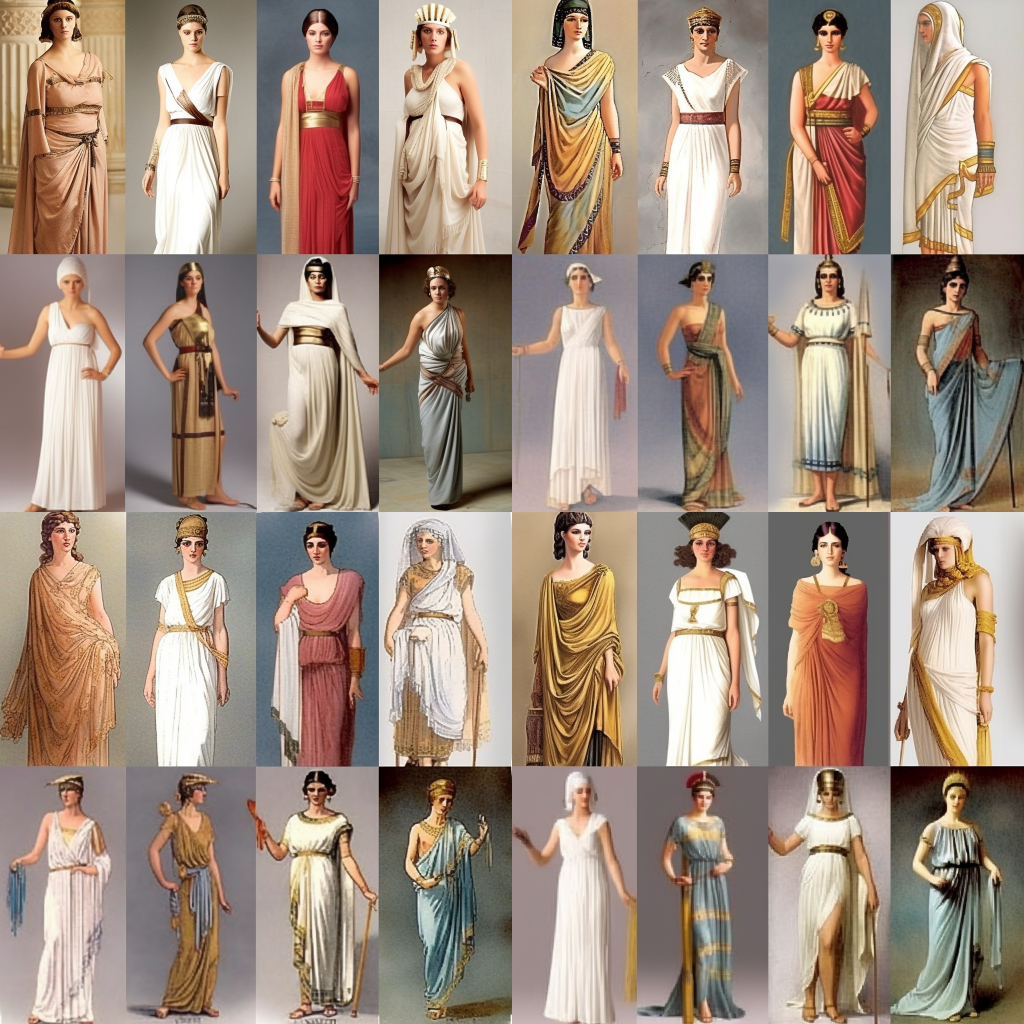
Let’s start with the ancient civilizations, where fashion was all about social status and bling. If you were wealthy, you wore expensive fabrics and adorned yourself with jewels. If you were a commoner, you rocked simpler fabrics like wool and cotton. Hey, at least they didn’t have to worry about finding a matching purse.
In ancient civilizations such as Egypt, Greece, and Rome, clothing was used to signify social status and occupation. Wealthy citizens wore expensive fabrics such as silk and linen, while common people wore simpler fabrics such as wool and cotton. Clothing was often adorned with jewels, embroidery, and other decorative elements to reflect the wearer’s status.
Medieval Fashion
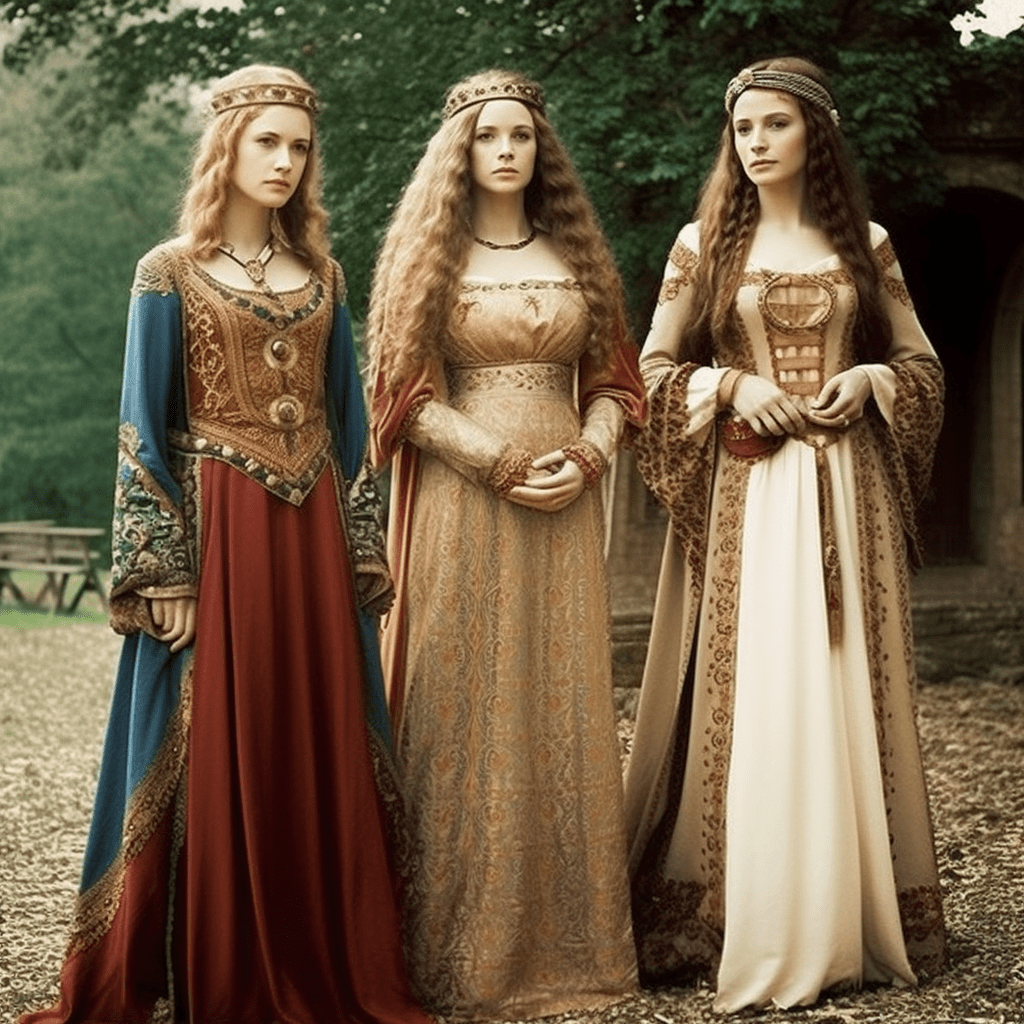
Moving on to the Middle Ages, things got even fancier. Nobles wore long, flowing dresses with intricate embroidery and jewels, while men sported tunics, hose, and fancy hats. It was all about looking regal and keeping up with the latest trends from the royal family.
During the Middle Ages, clothing became more elaborate and decorative, reflecting the influence of religion and royalty. Noblewomen wore long, flowing dresses with intricate embroidery and jewels, while men wore tunics, hose, and elaborate hats. The development of new fabrics such as velvet and silk allowed for even more elaborate clothing designs.
Renaissance Fashion
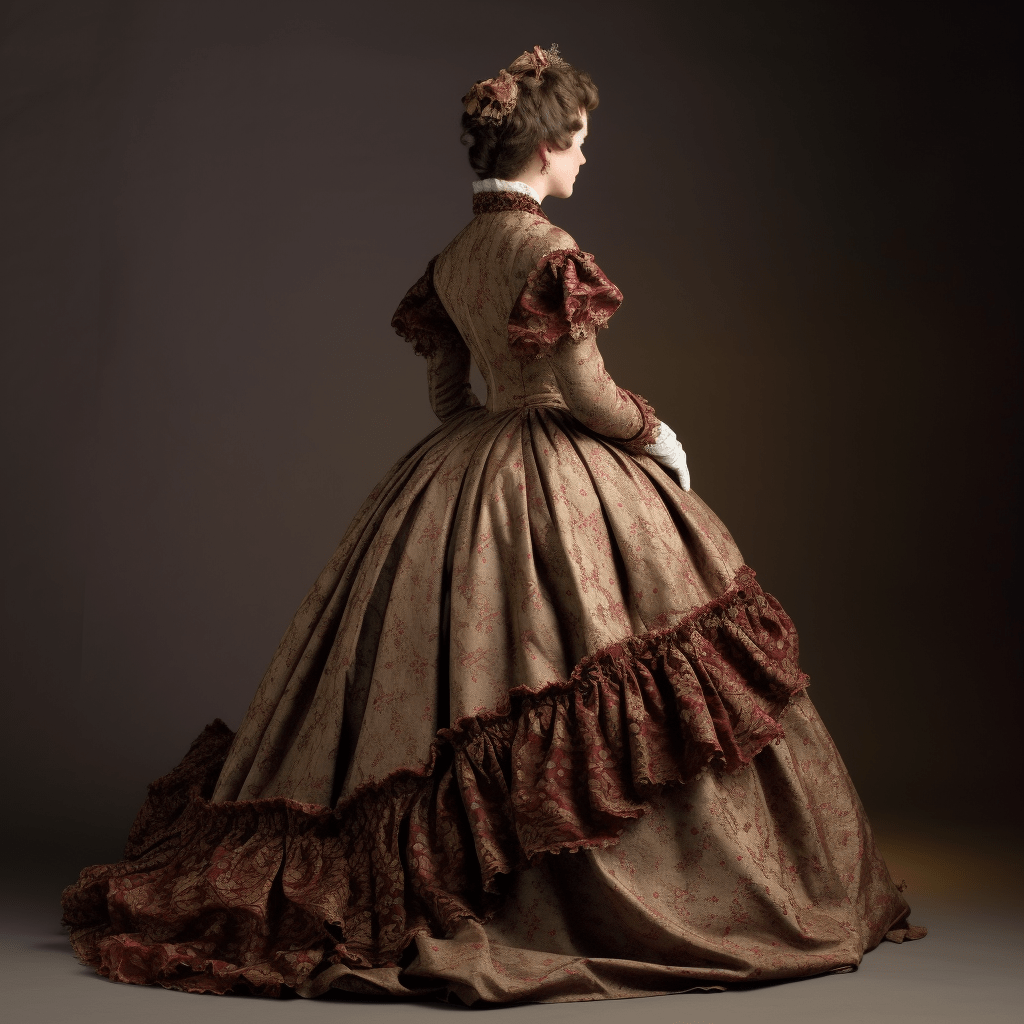
Fast forward to the Industrial Revolution, where mass production made clothing more affordable and accessible. Bustles and hoop skirts were all the rage for women, while men’s fashion became more tailored and structured. No more walking around in shapeless sacks!
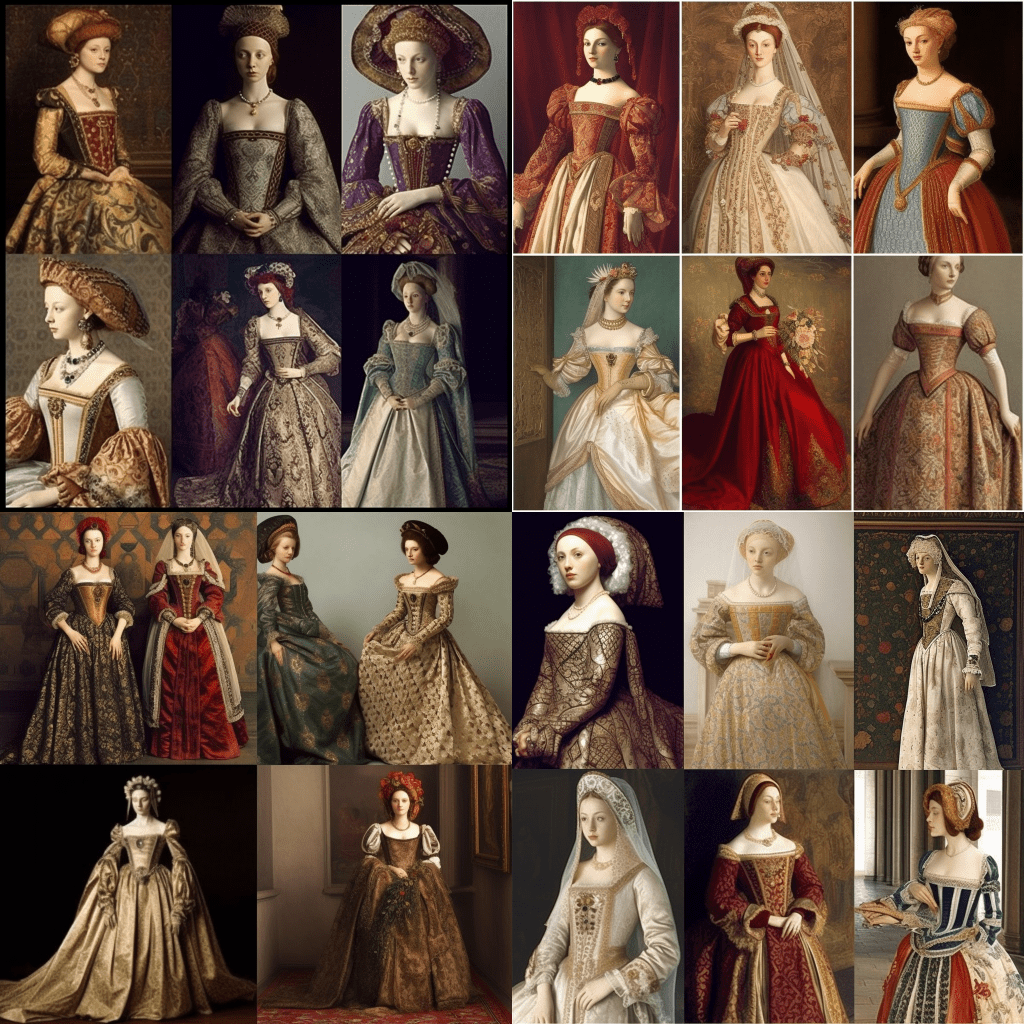
The Renaissance period saw a renewed interest in classical art and culture, which influenced fashion. Clothing became more structured and form-fitting, with corsets and tight-fitting bodices. Rich fabrics such as brocade and damask were used to create elaborate designs, and clothing was often adorned with lace and other decorative elements.
Industrial Revolution Fashion
The Industrial Revolution brought significant changes to fashion, as new manufacturing techniques allowed for the mass production of clothing. Clothing became more affordable and accessible, and new fabrics such as cotton and synthetic materials were developed. The Victorian era saw elaborate dresses with bustles and hoop skirts, while men’s fashion became more tailored and structured.
20th Century Fashion
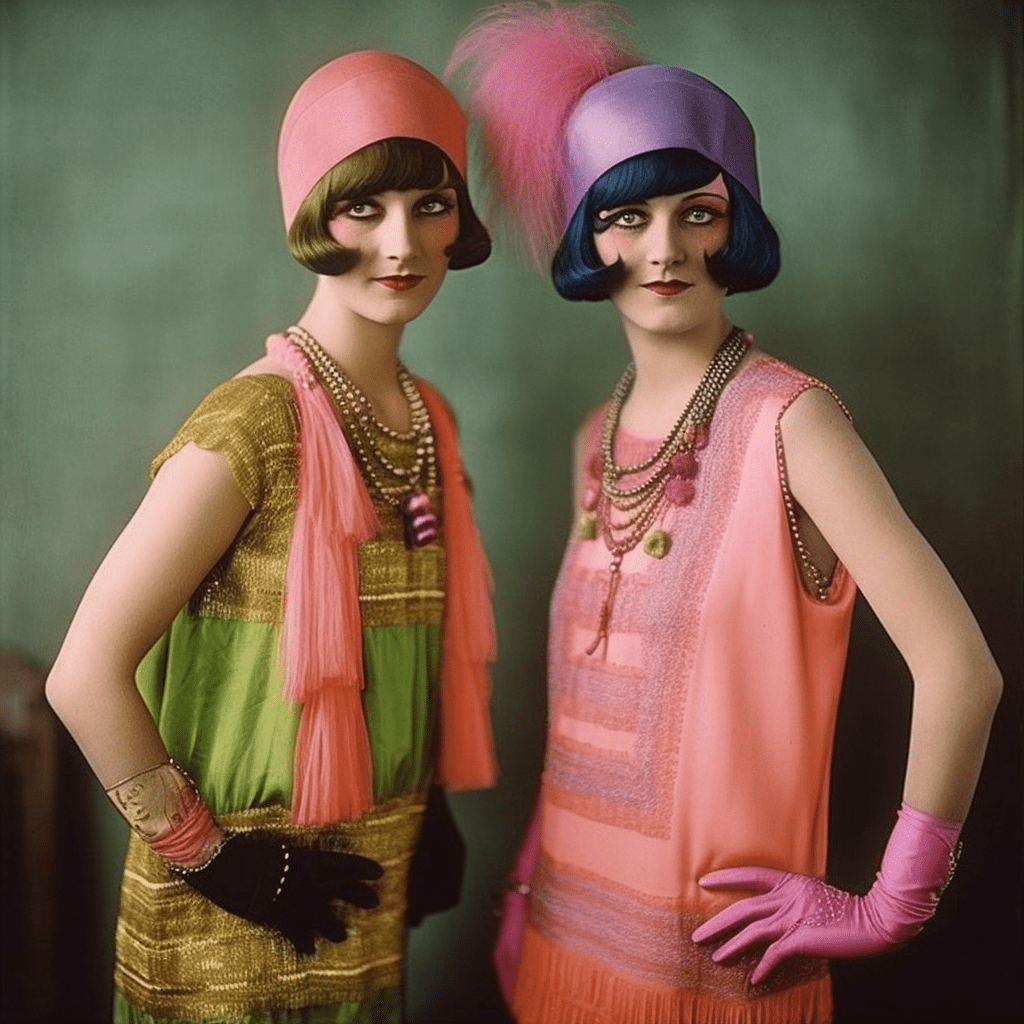
In the 20th century, we saw some wild and funky fashion trends. The ’20s brought us flapper fashion with short skirts and bold makeup, while the ’60s had the mod and hippie movements with colorful clothing and bohemian styles. And who can forget the ’80s with their neon colors and shoulder pads that could knock over a small child?
The 20th century saw significant changes in fashion, as societal shifts and new technologies influenced clothing design. The 1920s saw the emergence of flapper fashion, with short skirts, bobbed hair, and bold makeup. The 1960s brought the mod and hippie movements, with colorful clothing and bohemian styles. The 1980s saw bold, flashy fashion with neon colors and exaggerated silhouettes.
Contemporary Fashion
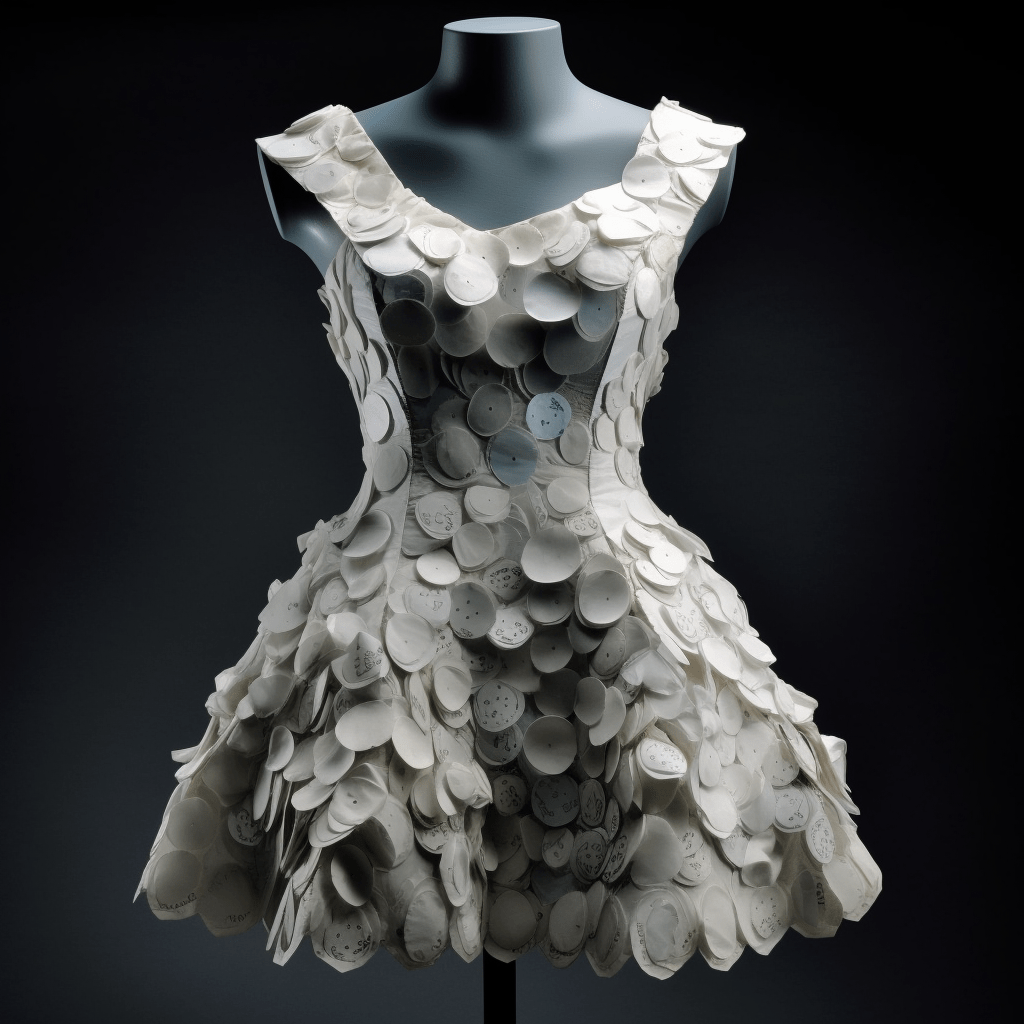
Now we’re in the present day, and fashion is still evolving. Sustainability and ethical practices have become a significant concern, leading to eco-friendly and ethical fashion. We’ve even got wearable tech and 3D printing in the mix. Who knows what the future of fashion will hold? Maybe we’ll all be wearing holographic jumpsuits by 2050.
Today, fashion continues to evolve and change, reflecting the shifting trends in society and culture. Sustainability and ethical practices have become significant concerns, leading to a growing interest in eco-friendly and ethical fashion. The rise of technology has also influenced fashion, with the development of wearable tech and 3D printing.
Fashion is an ever-changing art form, reflecting the cultural, societal, and technological shifts of the times. From ancient civilizations to modern times, fashion has played an essential role in human culture and expression. As fashion continues to evolve, it will be exciting to see how it reflects the trends and values of society.
Fashion has come a long way, baby. But no matter what era we’re in, it’s always been about expressing ourselves and looking fabulous. So, keep on slaying those fashion trends, and remember to rock that personal style like nobody’s business!
 The Cultured Cactus: Cultivating a Balanced and Beautiful Life
Leave a comment