

Discover the Transformative Power of Mindfulness Meditation: A Beginner’s Guide to Improved Mental Health and Well-Being
Mindfulness meditation is not a new concept, but it has gained immense popularity in recent times. It is a form of meditation that involves being present in the moment, without any judgment. It’s a simple concept, but it has the potential to change your life for the better.

One of the primary benefits of mindfulness meditation is that it can help improve your mental health. It has been shown to reduce symptoms of anxiety and depression, and can even improve your overall well-being. This is because mindfulness meditation helps you focus on the present moment, rather than worrying about the past or future. It allows you to take a step back from your thoughts and observe them from a distance, which can be incredibly empowering.
But mindfulness meditation is not just good for your mental health. It can also have physical benefits, such as reducing blood pressure, lowering the risk of heart disease, and improving sleep quality. It can even boost your immune system, helping you fight off illness and disease.
One of the things I love about mindfulness meditation is that it’s something anyone can do, regardless of their age or fitness level. You don’t need any special equipment or a gym membership – all you need is a quiet space and a few minutes of your time. And the best part? It’s free!
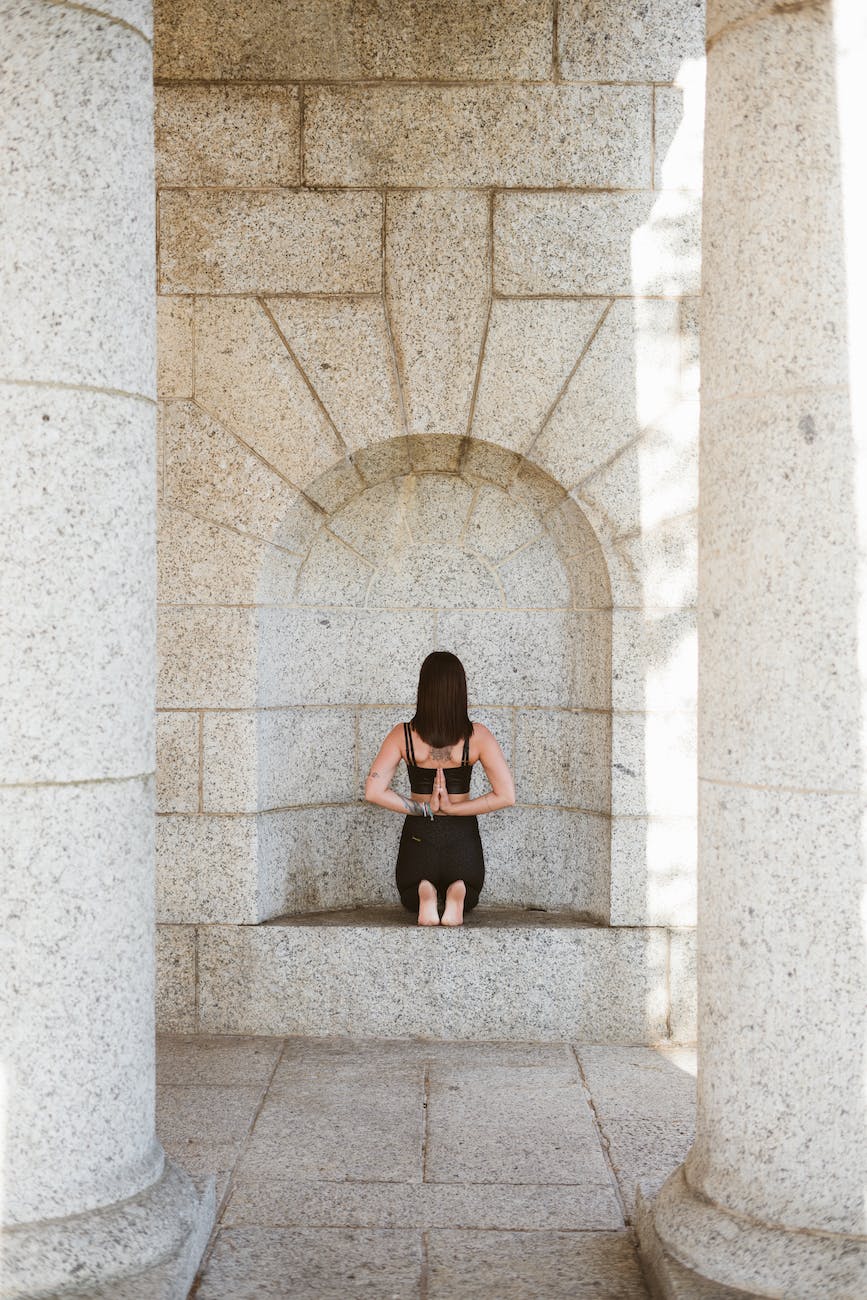
I remember when I first started practicing mindfulness meditation, I had a lot of trouble focusing. I would sit down, close my eyes, and all I could hear was the world around me. Birds chirping, cars honking, dogs barking – it seemed like every noise was amplified. I tried and tried to focus on my breath, but my mind was like a squirrel on a caffeine high, jumping from thought to thought.
I started to feel frustrated and discouraged, thinking that maybe meditation just wasn’t for me. But then, a friend suggested that I try using ear plugs. At first, I was skeptical – wouldn’t that just make it even harder to hear my breath? But I decided to give it a try, and let me tell you – it was a game changer.
With the ear plugs in, I was able to block out all the external noise and focus solely on my breath. It was like a weight had been lifted off my shoulders. I felt more relaxed and centered than I had in ages.
Of course, everyone’s meditation journey is different, and what works for me might not work for you. But I wanted to share this personal story to show that there are no hard and fast rules when it comes to meditation. It’s all about finding what works for you and experimenting until you find your groove.
In addition to ear plugs, there are other tools that can help you on your meditation journey. For example, you might find it helpful to use a guided meditation app or to light a candle or incense to create a calming atmosphere. Or maybe you prefer to meditate outdoors in nature, surrounded by the sounds of the forest or ocean.

The most important thing is to be open-minded and patient with yourself. Like any new skill, mindfulness meditation takes practice. But with time and persistence, you’ll start to notice the benefits – increased focus, reduced stress, and a greater sense of well-being.
Of course, like anything, mindfulness meditation takes practice. It’s not something that you can master overnight, but with regular practice, you’ll start to see the benefits. I remember when I first started practicing mindfulness meditation, I found it really hard to quiet my mind. My thoughts would race a million miles an hour, and I would constantly find myself getting distracted. But over time, I learned to observe my thoughts without judgment, and I became more aware of the present moment.
Another great thing about mindfulness meditation is that you can do it anywhere. You don’t need to set aside a specific time or place to meditate – you can practice mindfulness while you’re doing everyday activities like washing the dishes or going for a walk. It’s all about being present in the moment and observing your thoughts without judgment.
So, if you’re looking for a way to improve your mental health and well-being, give mindfulness meditation a try. It may take some practice, but the benefits are well worth it. Who knows, you may even find yourself laughing at your own thoughts as you observe them from a distance! i like it, can you add some tips for beginners to step into the world of meditation.

Here are some tips for beginners who are interested in starting their mindfulness meditation journey:
Start small: When you’re just starting out, it’s important to take baby steps. Begin with just a few minutes of meditation each day and gradually increase the time as you get more comfortable with the practice.
Find a comfortable spot: Choose a quiet, comfortable spot where you can sit or lie down without any distractions. This could be a corner of your room, a quiet park, or any other place that feels peaceful to you.
Focus on your breath: The key to mindfulness meditation is to focus on your breath. Simply close your eyes and bring your attention to your breath. Observe how it feels as it enters and leaves your body.
Don’t judge your thoughts: As you meditate, you may find that your mind starts to wander. This is completely normal! When you notice your mind drifting, simply acknowledge the thought and gently bring your focus back to your breath.
Practice regularly: Like any skill, mindfulness meditation takes practice. Make it a part of your daily routine, and you’ll soon start to see the benefits.
Be patient: Remember that mindfulness meditation is a journey, not a destination. It may take some time to notice significant changes in your mental and physical health, so be patient and keep practicing.
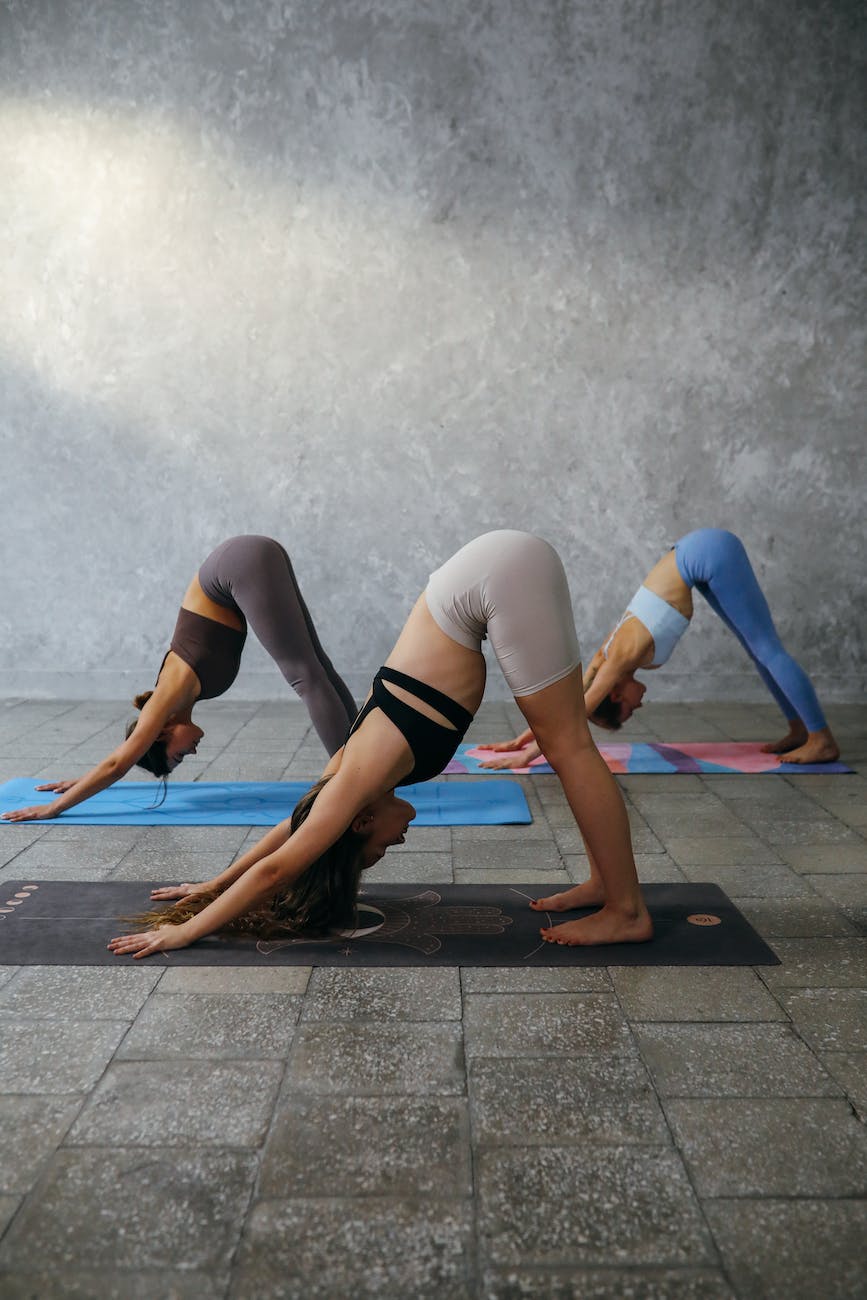
With these tips in mind, you’re ready to start your mindfulness meditation journey. Remember, the most important thing is to be kind to yourself and enjoy the process!
 The Cultured Cactus: Cultivating a Balanced and Beautiful Life
Leave a comment