
Small Changes for a Big Impact: Practical Steps to Reduce Your Carbon Footprint
Climate change is one of the most pressing issues of our time, and it is caused by the emission of greenhouse gases into the atmosphere from human activities such as burning fossil fuels, deforestation, and industrial processes. The consequences of climate change are far-reaching and include rising sea levels, extreme weather events, droughts, and food shortages. To address this issue, there has been a growing interest in finding solutions to mitigate climate change and its impacts.
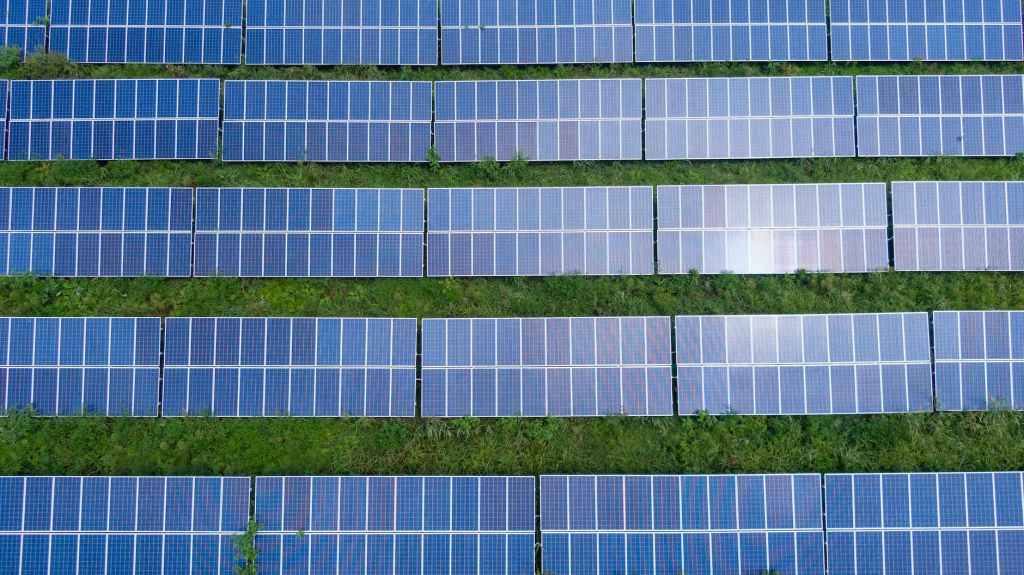
One approach is to transition to renewable energy sources such as solar, wind, and hydroelectric power, which produce electricity without emitting greenhouse gases. There is also an increased focus on sustainable living, which involves reducing energy consumption, waste generation, and greenhouse gas emissions in daily life.
Educating people about climate change and sustainability is crucial to creating awareness and promoting action. Here are some ways to educate people:
- Spread awareness through social media: Use social media platforms to share information about climate change and sustainable living. This can be done by posting informative articles, videos, and infographics.
- Organize community events: Organize events such as seminars, workshops, and webinars to educate people about climate change and sustainable living. Invite experts and professionals to speak on relevant topics.
- Start at a young age: Education about climate change and sustainability should start at a young age. Schools and colleges can include these topics in their curricula to ensure that students are aware of the issue and understand the impact of their actions.
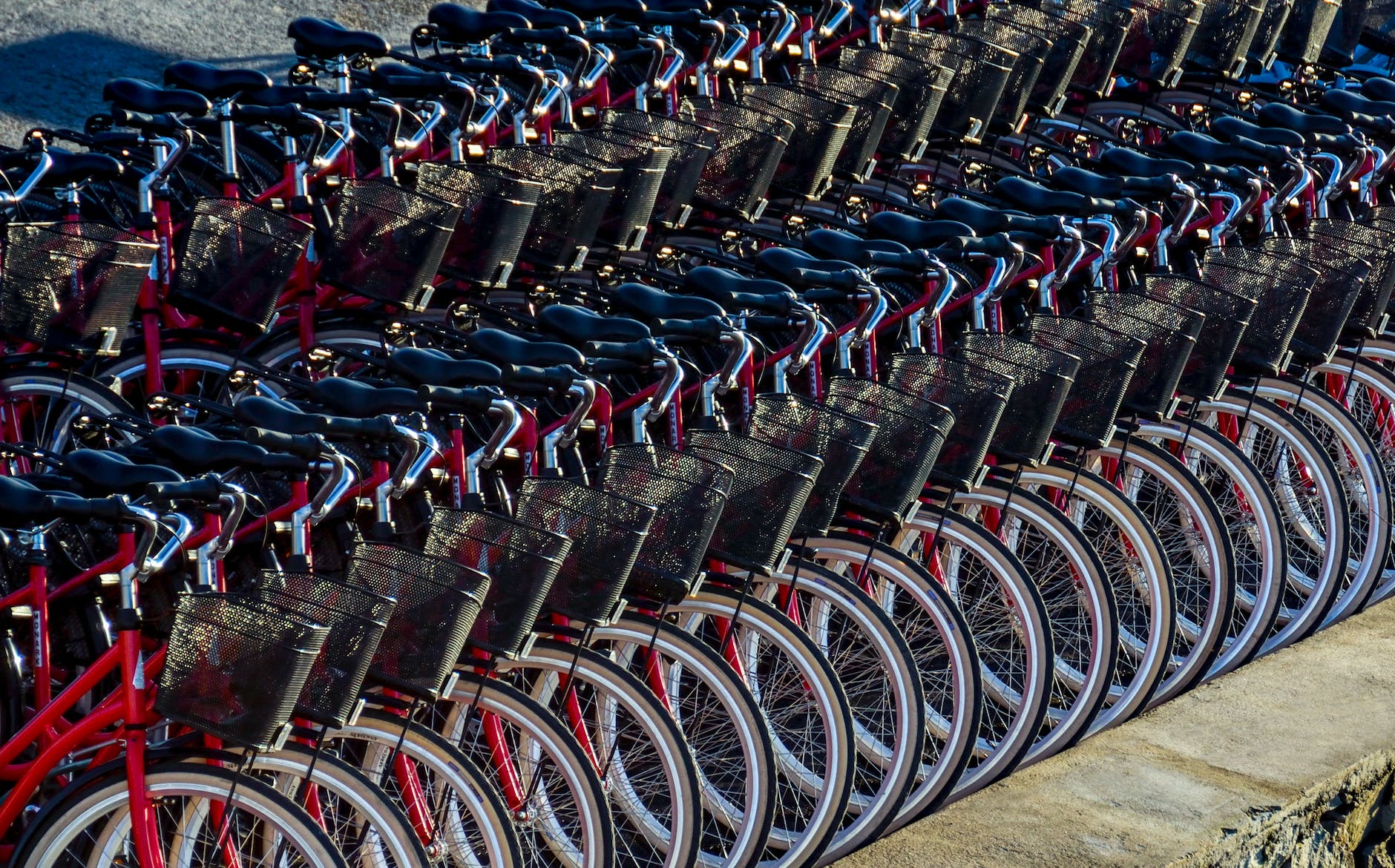
- Lead by example: You can lead by example and implement sustainable practices in your daily life. This can include things like reducing water consumption, using public transportation or cycling, and reducing energy usage.
Here are some simple actions you can take in your daily life to reduce your impact on the environment:
- Reduce your energy consumption: Turn off lights and appliances when not in use, switch to energy-efficient light bulbs, and unplug electronics when they are not in use.
- Reduce your water consumption: Fix any leaks in your home, take shorter showers, and use a low-flow showerhead.
- Reduce your waste: Recycle paper, plastic, and metal products, and compost food waste.
- Use sustainable transportation: Use public transportation, carpool, cycle, or walk whenever possible.
- Use eco-friendly products: Choose products that are made from sustainable materials and are recyclable or biodegradable.
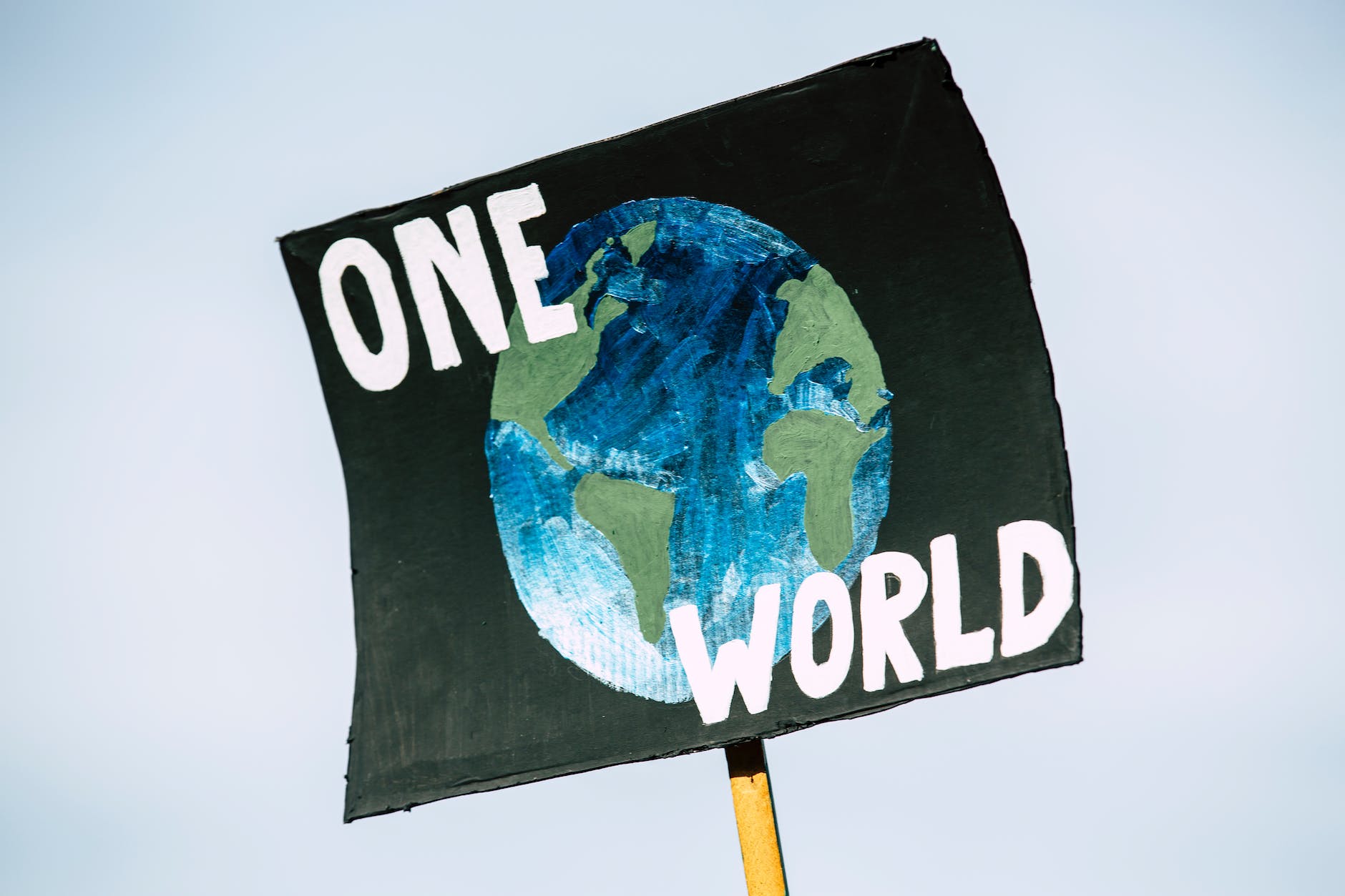
By making these changes in your daily life, you can help reduce your impact on the environment and inspire others to do the same. Remember, small actions can have a big impact, and we all have a responsibility to take care of our planet for future generations. Let’s work together to create a more sustainable and resilient world.

 The Cultured Cactus: Cultivating a Balanced and Beautiful Life
Leave a comment